
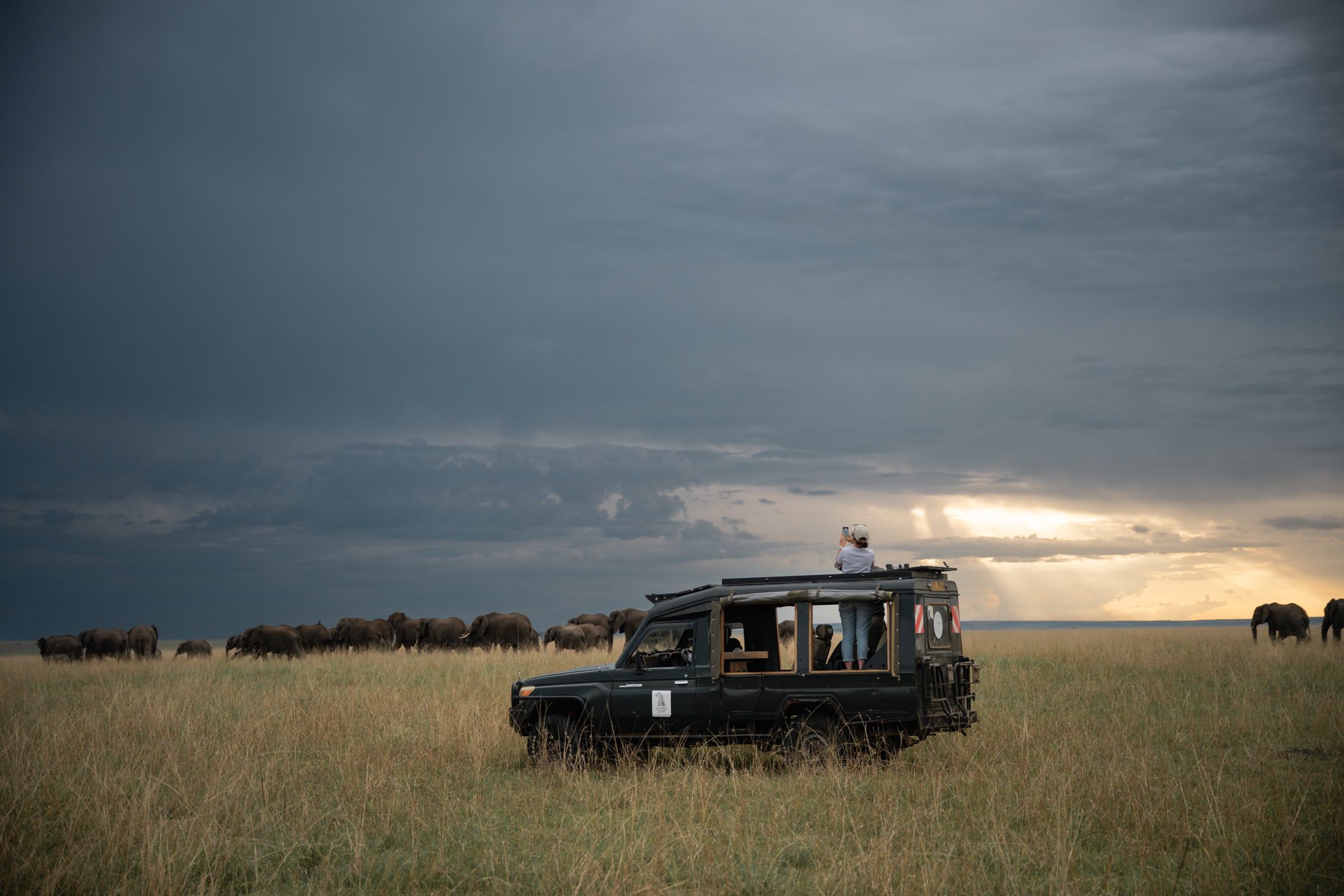
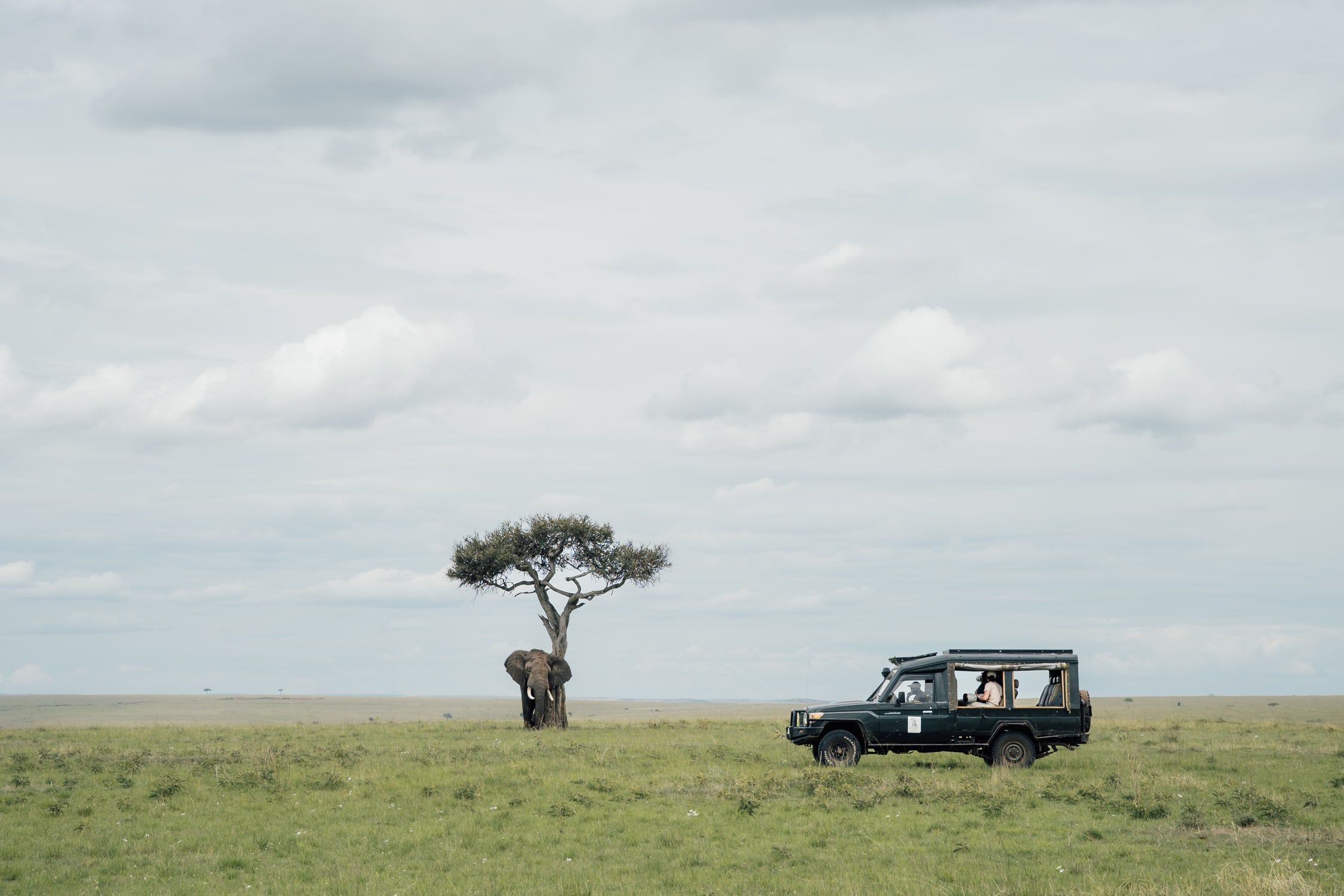
One of the camp’s safari cars on the plain under a storm sky, a guest standing in the roof hatch and a herd of elephants on the horizon

Olimba Mara Camp · Talek River · Maasai Mara · Kenya

Olimba Mara Camp: Two families.
One river.
Six tents.

A small eco camp on the Talek River, ten minutes from the Maasai Mara Reserve. Built by two families, run by the Maasai community around it, and every game drive is private.

  • 4.9 Tripadvisor
  • 5.0 Google
  • Kenya Tourism Awards 2025
ArriveAdd date
DepartAdd date
Guests2 adults · 1 tent
Book direct with the camp
Check availability

Guest ratings

Awards 2025

  • Best Travel Documentary

    Kenya Tourism Awards, for The Black Voyage

  • Best Cultural Retreat

    Top 100 Global Hospitality & Luxury Awards, Africa

The camp

Comfort on the banks of the Talek.

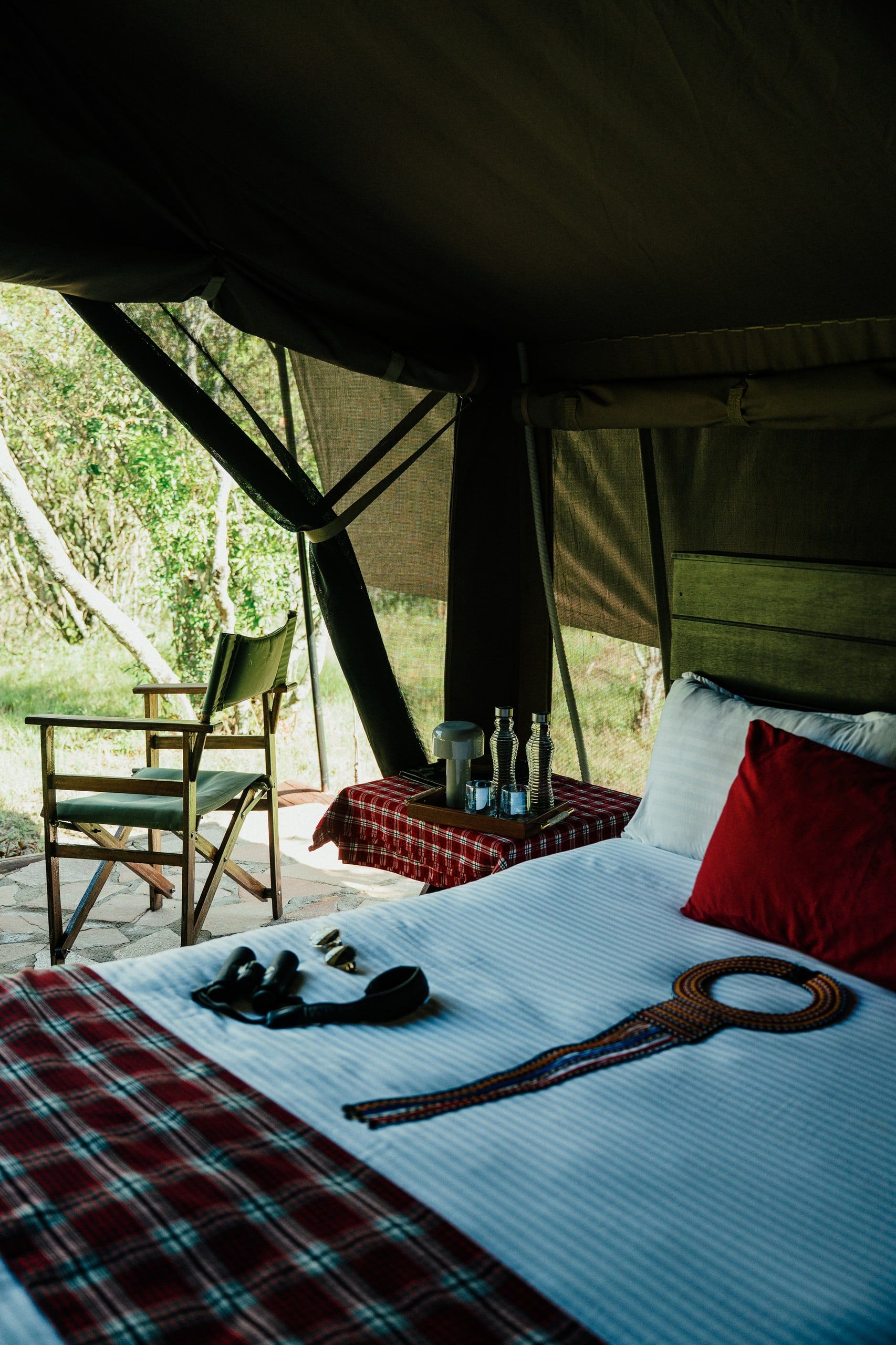
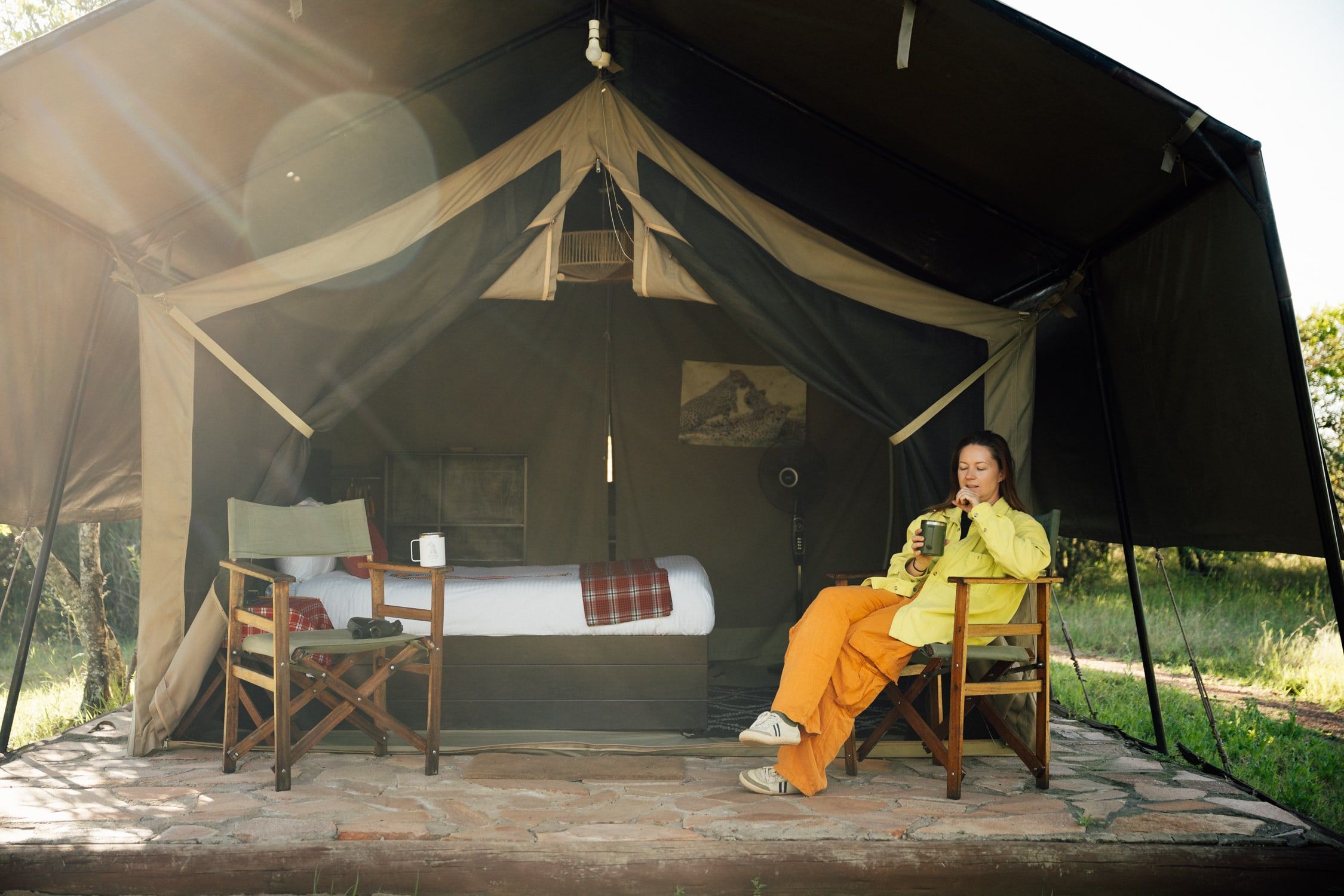
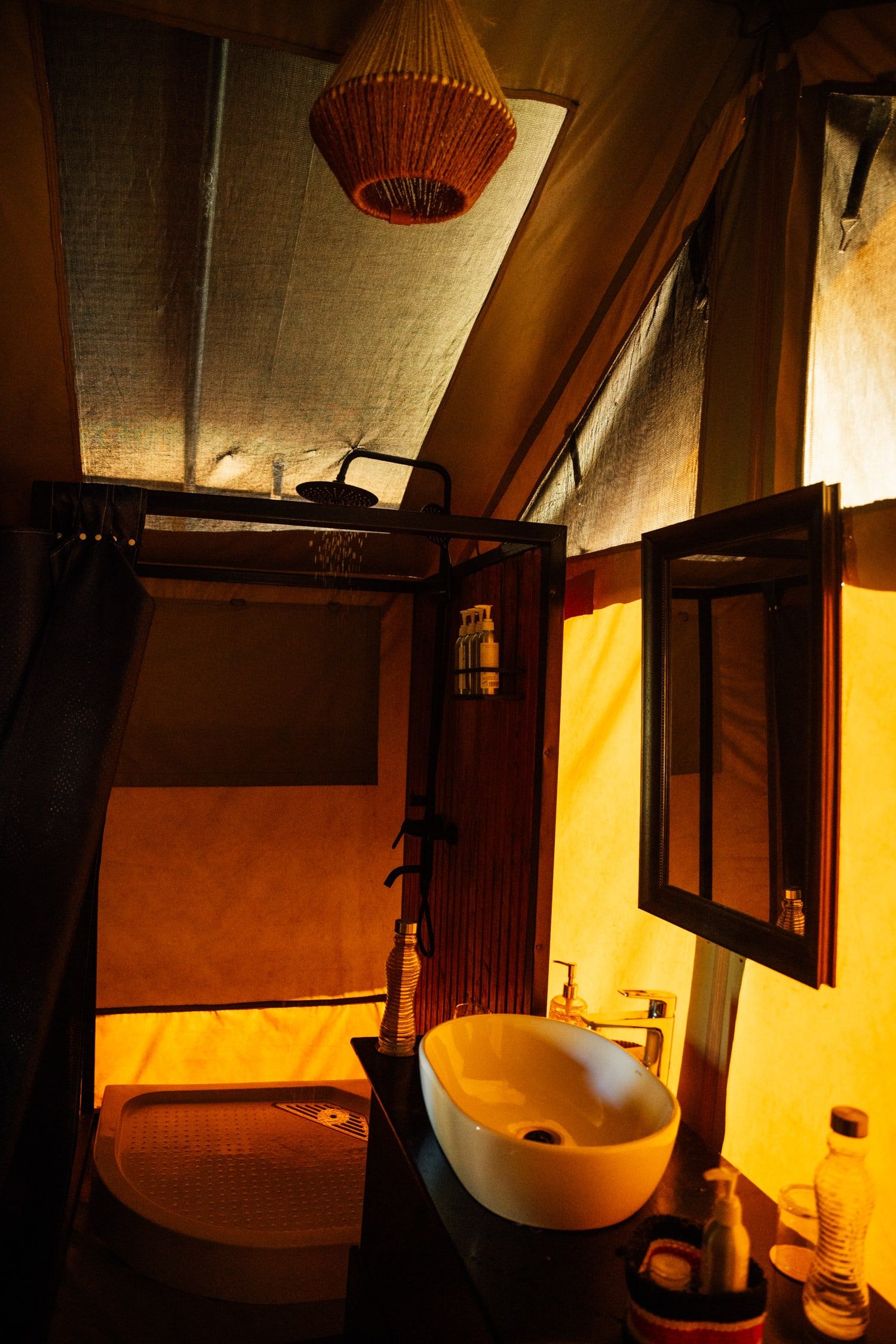
Six guest tents on the riverbank, each with a super king, twin or single beds, an en-suite with a hot shower, organic soaps, a private verandah, and a hot water bottle on cold nights.

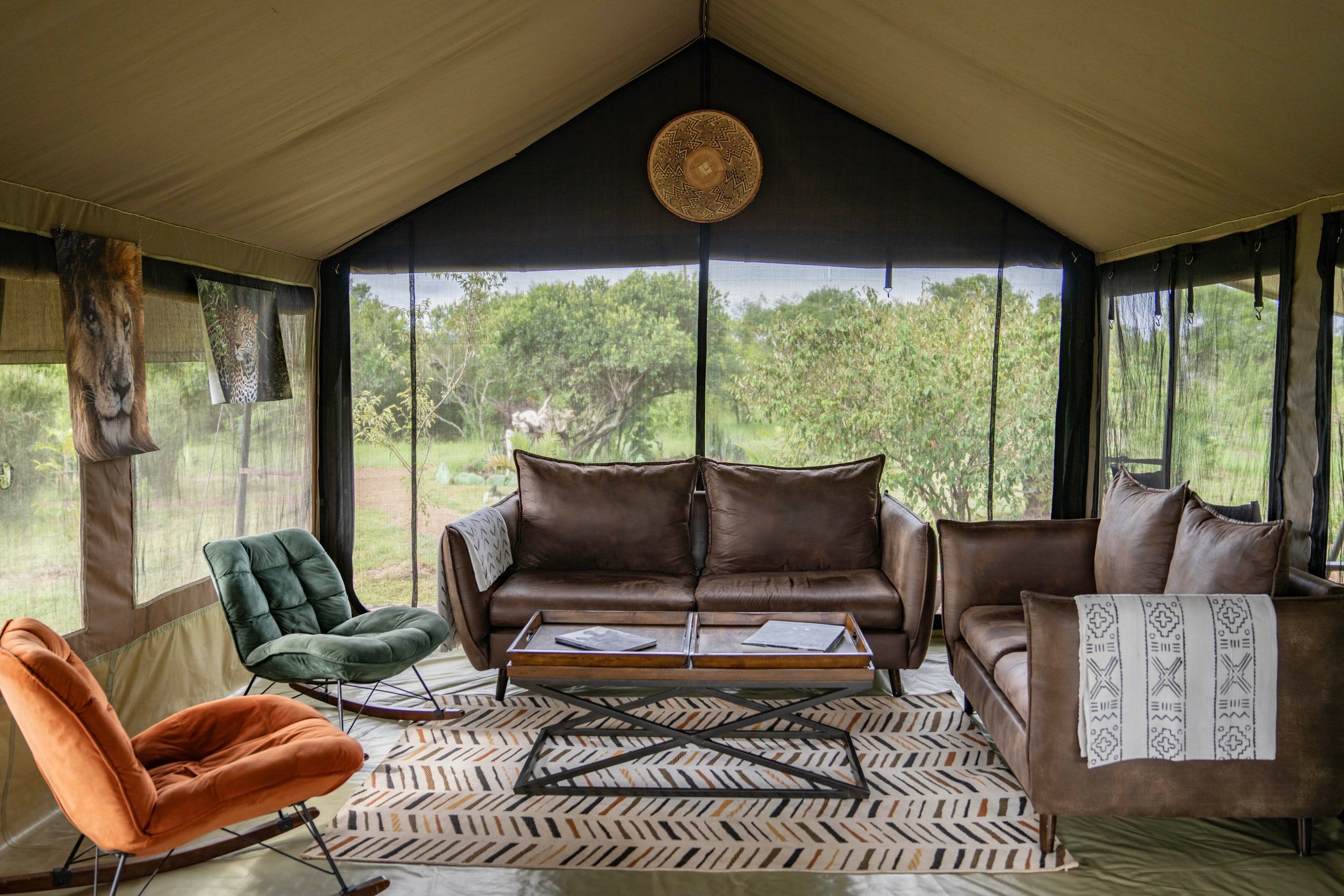
The main tent’s lounge: leather sofas, a green velvet armchair and woven rugs, the bush through the open canvas
The main tent: the lounge, the bar and the books, open to the garden and the river.
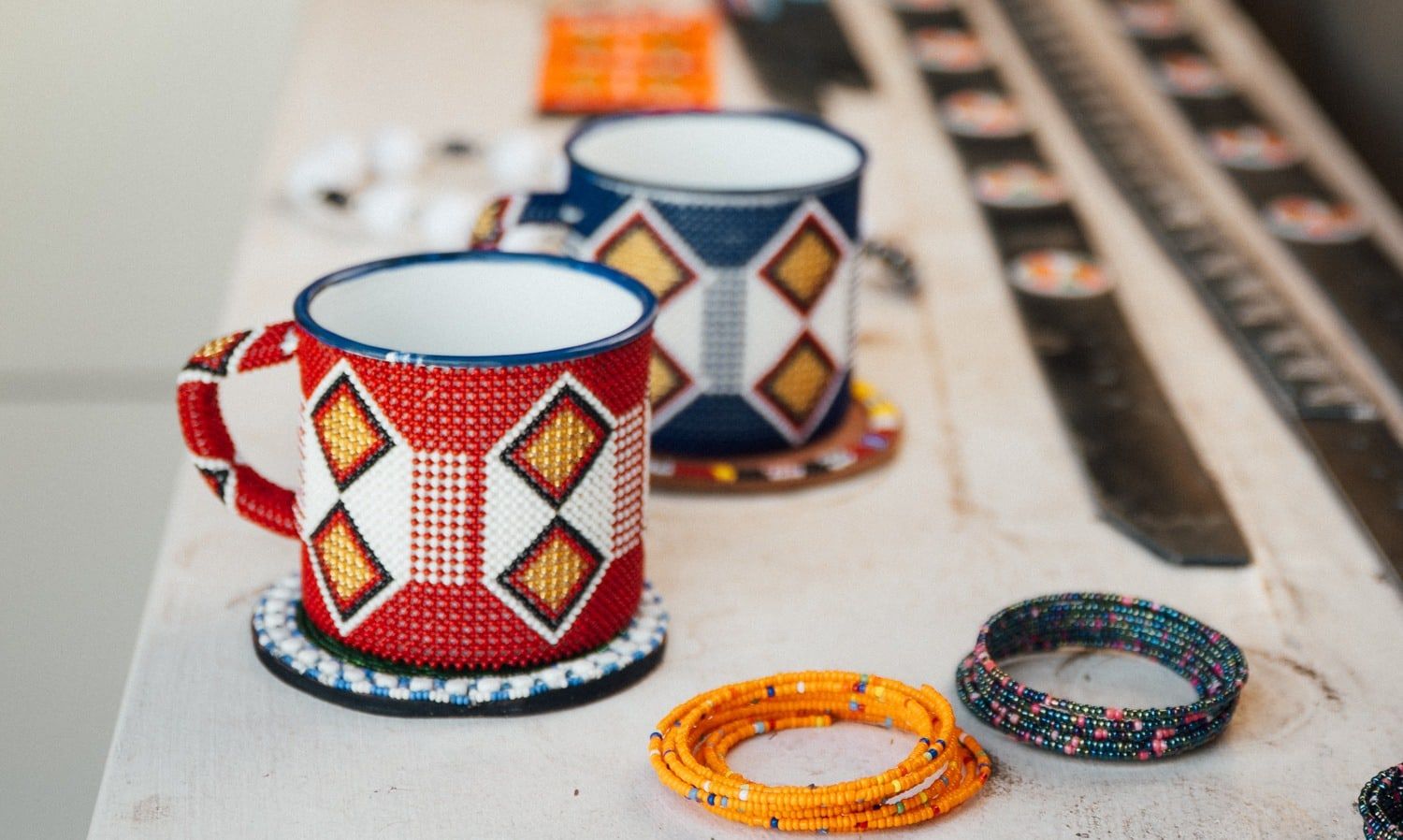
A guest tent’s bed in white linen with a red check runner, binoculars and a beaded key ring laid on it
A guest in yellow reading on the verandah of her tent, the canvas front rolled up
A tent’s bathroom glowing amber: a bowl basin, a mirror and the canvas wall
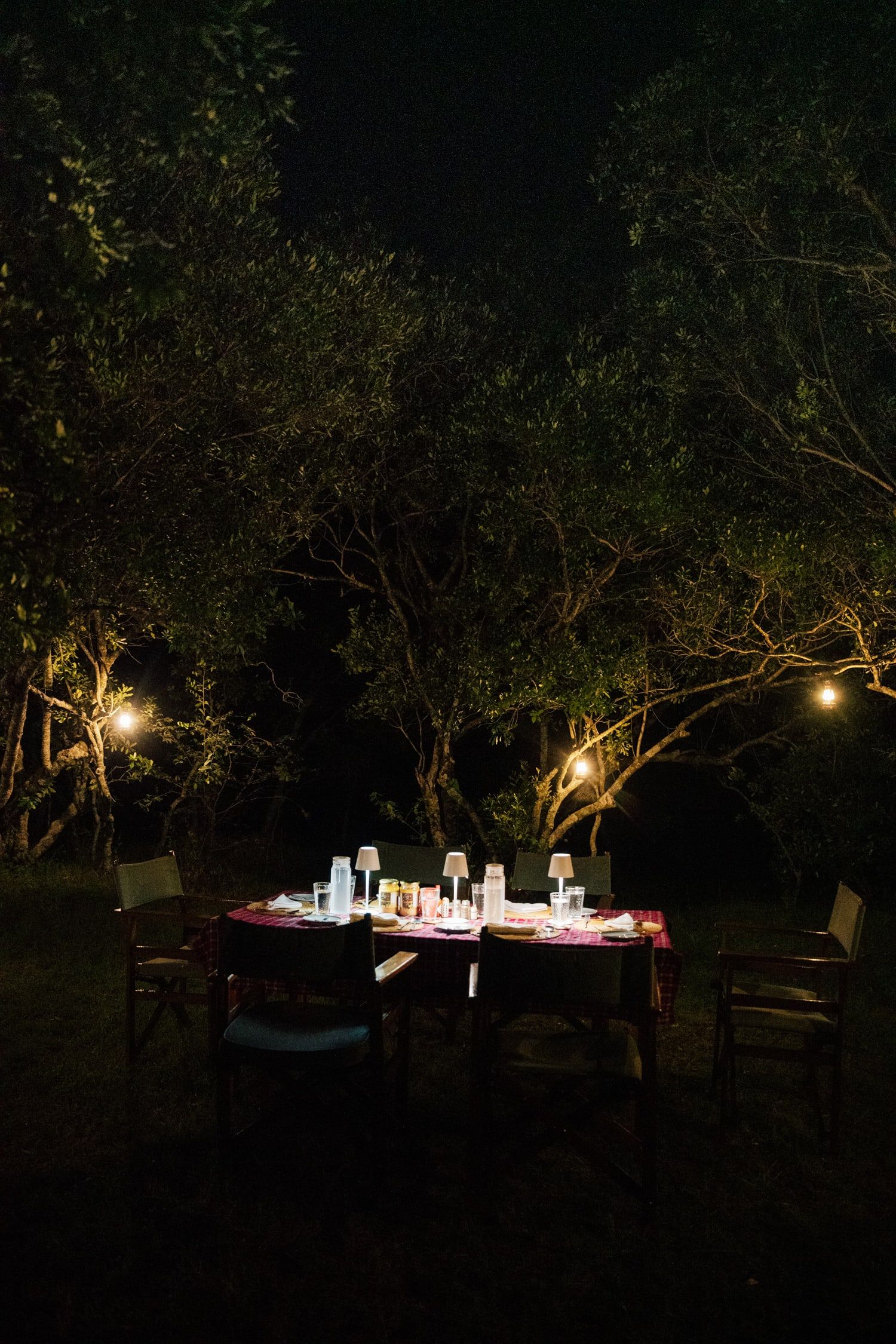
A dinner table under the trees at night, lanterns glowing in the branches

Camp notes

Guest tents
Six, up to three guests each
Power & hot water
Solar, day and night
To the reserve
10 minutes to Mara Simba gate
Reception
Open 24/7, no fixed check-in
Meals
Every diet, cooked in camp

Dinner is three courses, cooked to your diet: vegetarian, vegan, gluten-free. Afterwards everyone gathers at the bonfire above the river, where Maasai warriors hum and dance and the day’s sightings are told again.

Power comes from the sun, day and night. Water comes from the Talek and is filtered in camp by reverse osmosis.

See the three tents →

Safaris & rates

Four ways to see the Mara

Every package includes

  • Flights from Nairobi
  • Airstrip transfers
  • All meals
  • Private drives & guide
  • Park fees

Per person, two travelling · less for groups of four or more · every part can be changed

Out in the Mara

Private, always.

There are no shared game drives at Olimba. You have your own open-sided 4x4, with a pop-up roof and room for camera gear, and a professional Maasai guide who plans each day with you.

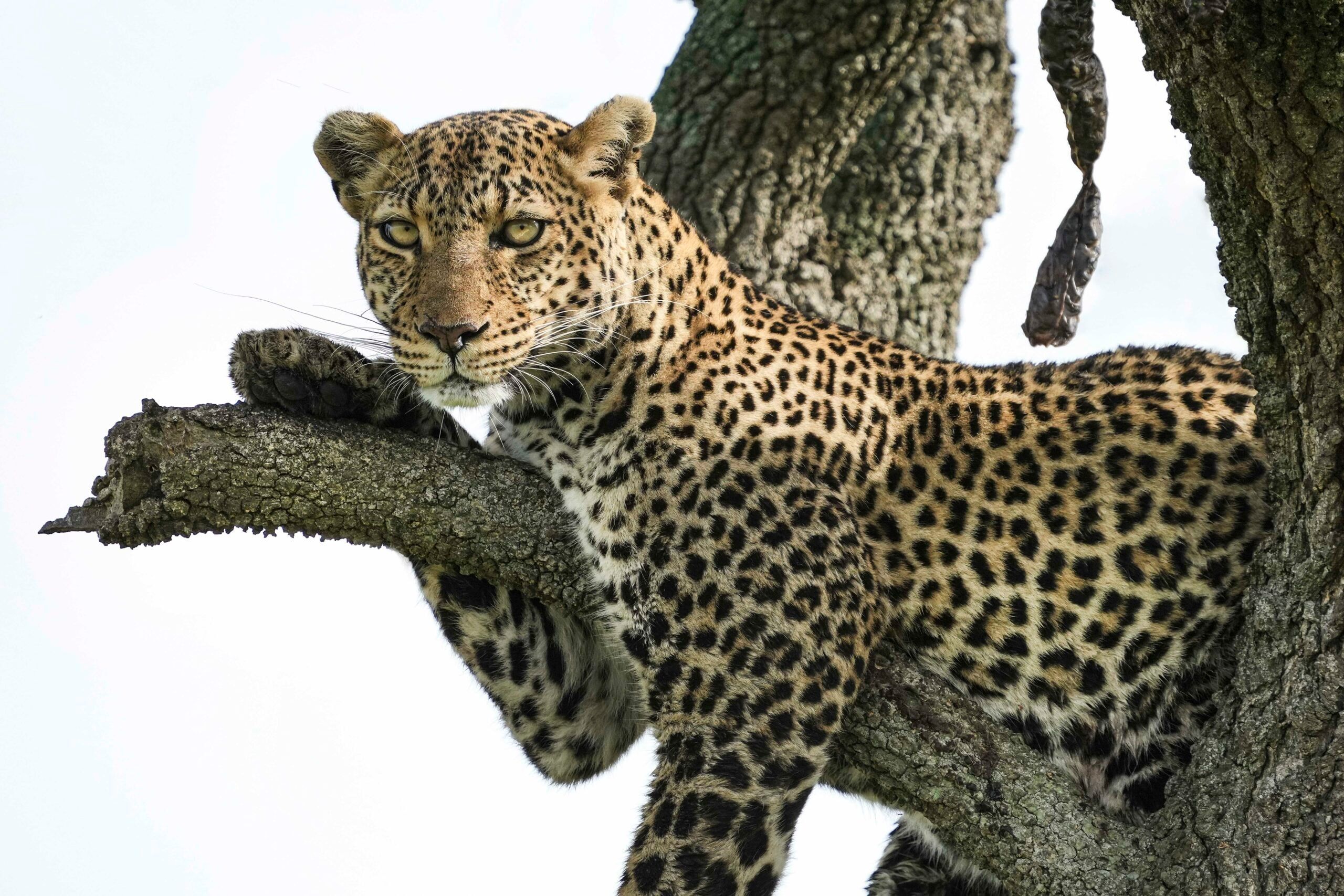
A leopard draped along the branch of a tree, looking down at the camera
A leopard, at home in the branches.

“Our guides know the migration routes by heart. Every major crossing point is within an hour of camp.”

Olimba Mara Camp
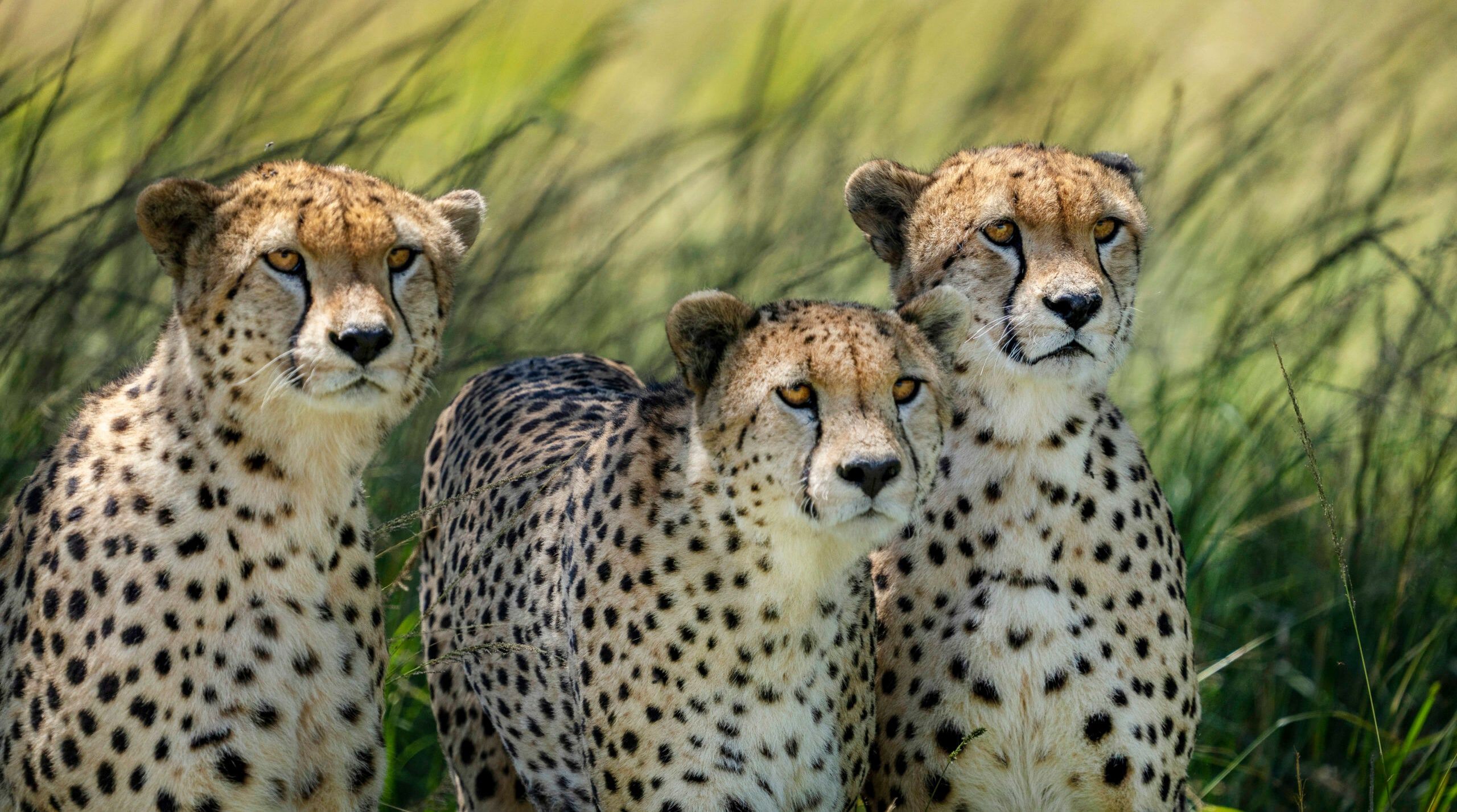
Three cheetahs sitting together in long green grass, all looking the same way
Three cheetahs, watching the plain.
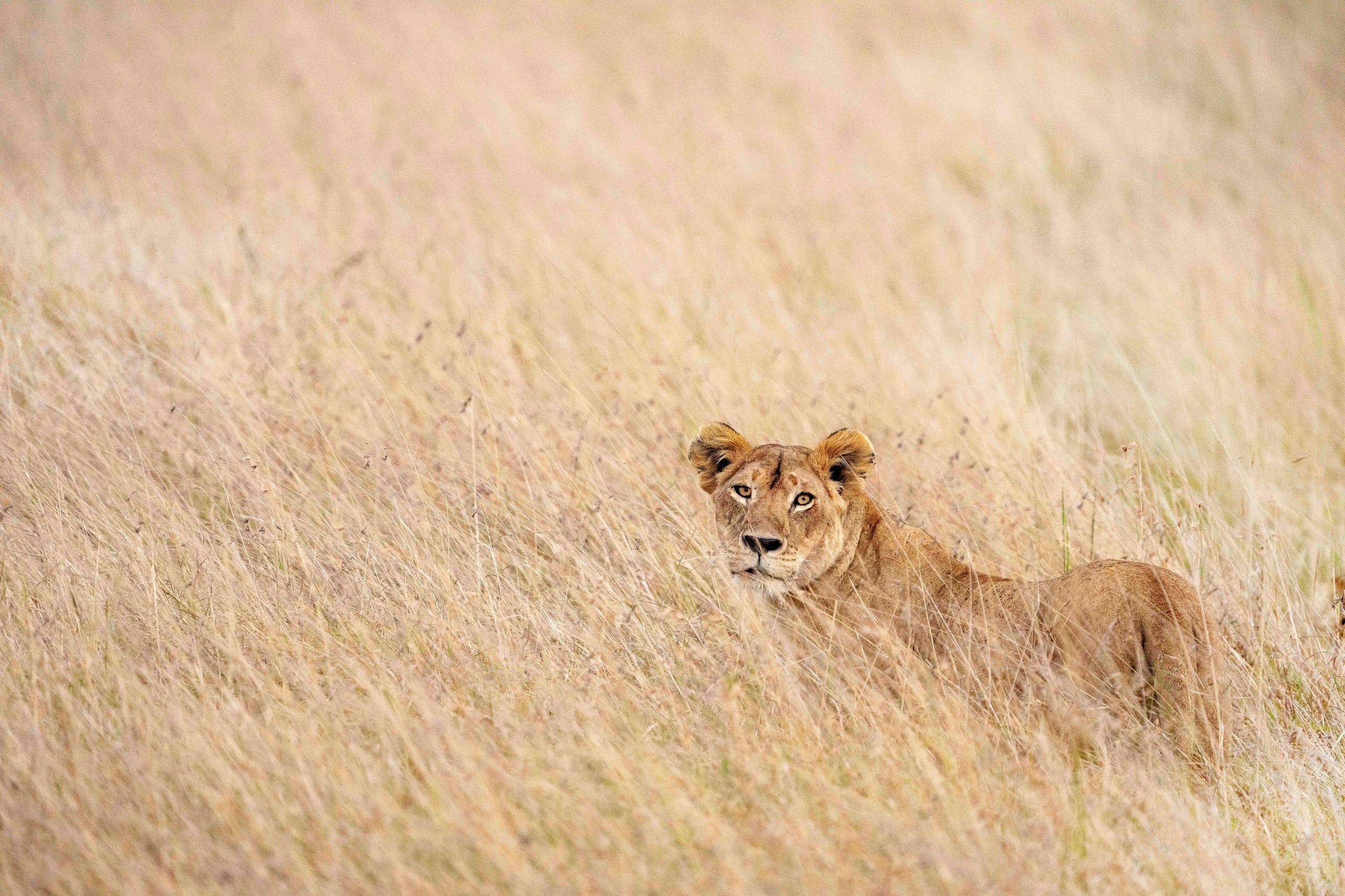
A lioness lying low in tall golden grass, her eyes on the camera
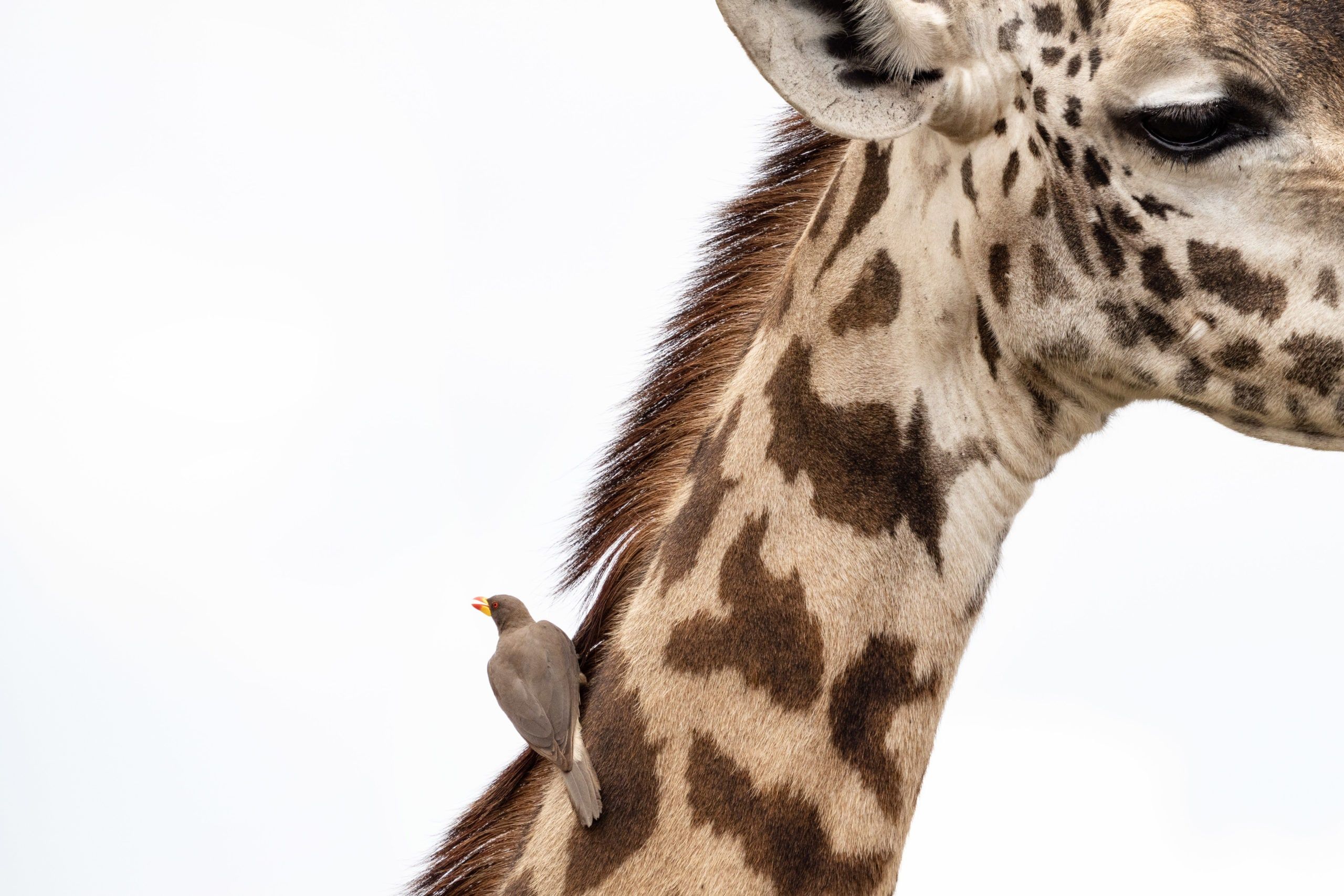
A giraffe’s neck against a white sky, an oxpecker riding on it
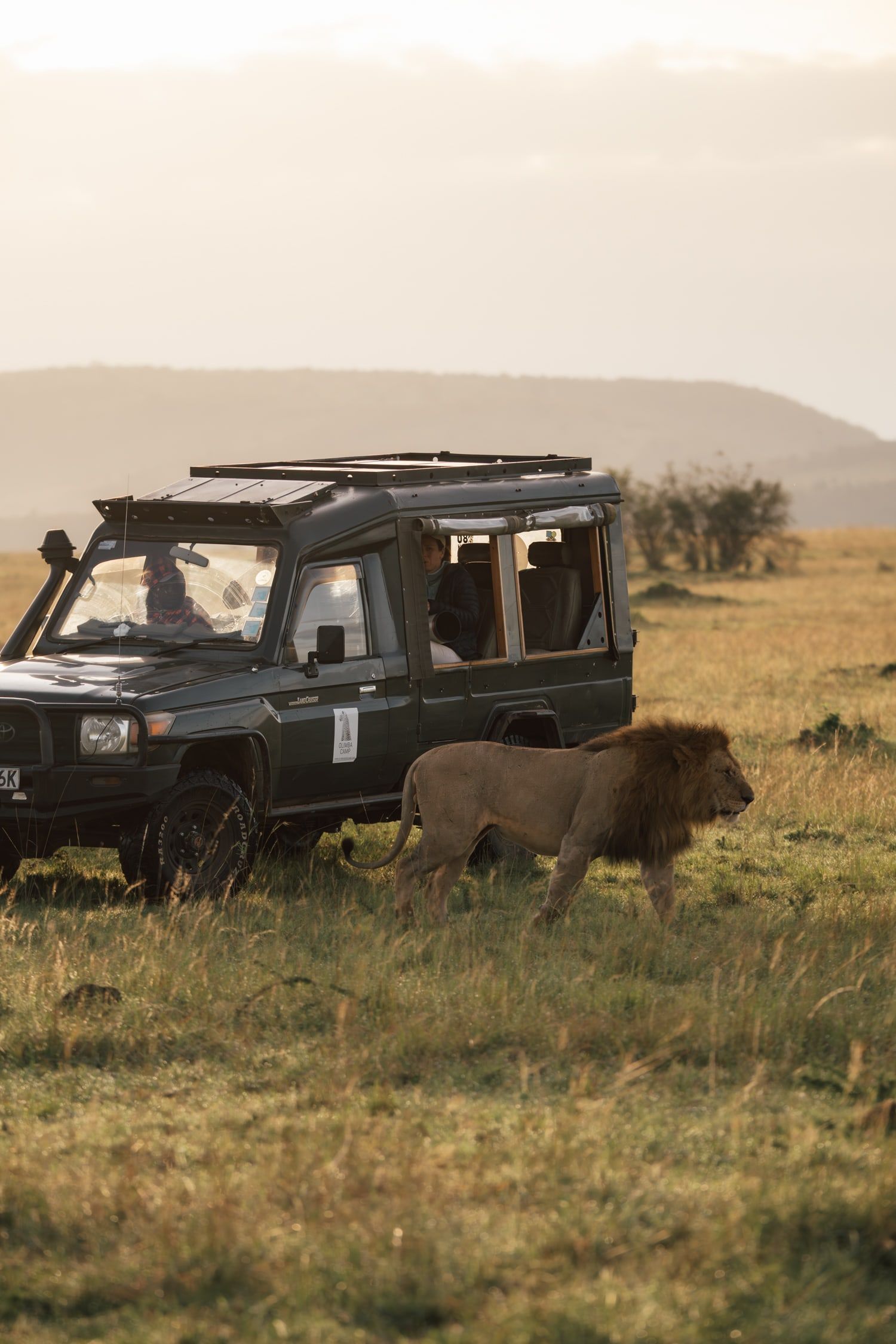
A male lion walking past one of the camp’s safari cars in golden evening light
Close, and on the animals’ terms.

Our story

It began with a friendship, not a business plan.

Chapter one · 2012

The friendship

In 2012, Barbara and Julie Lovens met Amos Kipeen on safari in Kenya. A friendship grew between two families, and with it a dream: to own and run a small bush camp of their own one day.

Amos is a respected Maasai leader, a silver-level safari guide and a Maasai Mara University graduate, who had already helped set up the first fully Maasai-owned camp in the Mara. He knew what most visitors never see. Much of the money safaris earn here never reaches the Maasai families who live beside the reserve. Olimba was planned so that it would.
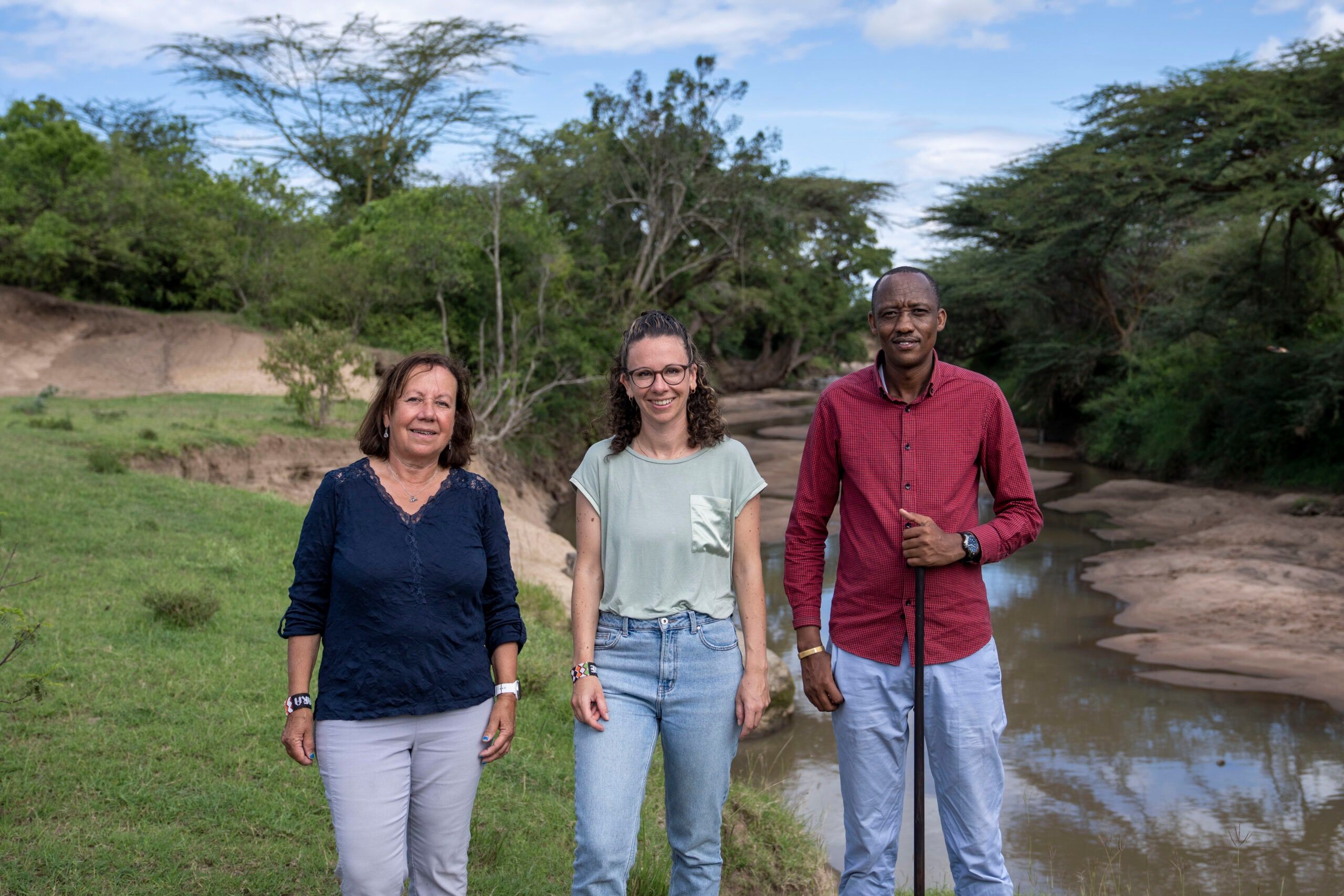
Barbara Lovens, Julie Lovens and Amos Kipeen standing together on the bank of the Talek River
Barbara Lovens, Julie Lovens and Amos Kipeen, the camp’s three directors, on the bank of the Talek.

“Here you are not booking a room. You are joining the Olimba family.”
Olimba Mara Camp

Chapter two · 2021

Worn-out ground, and a salt lick

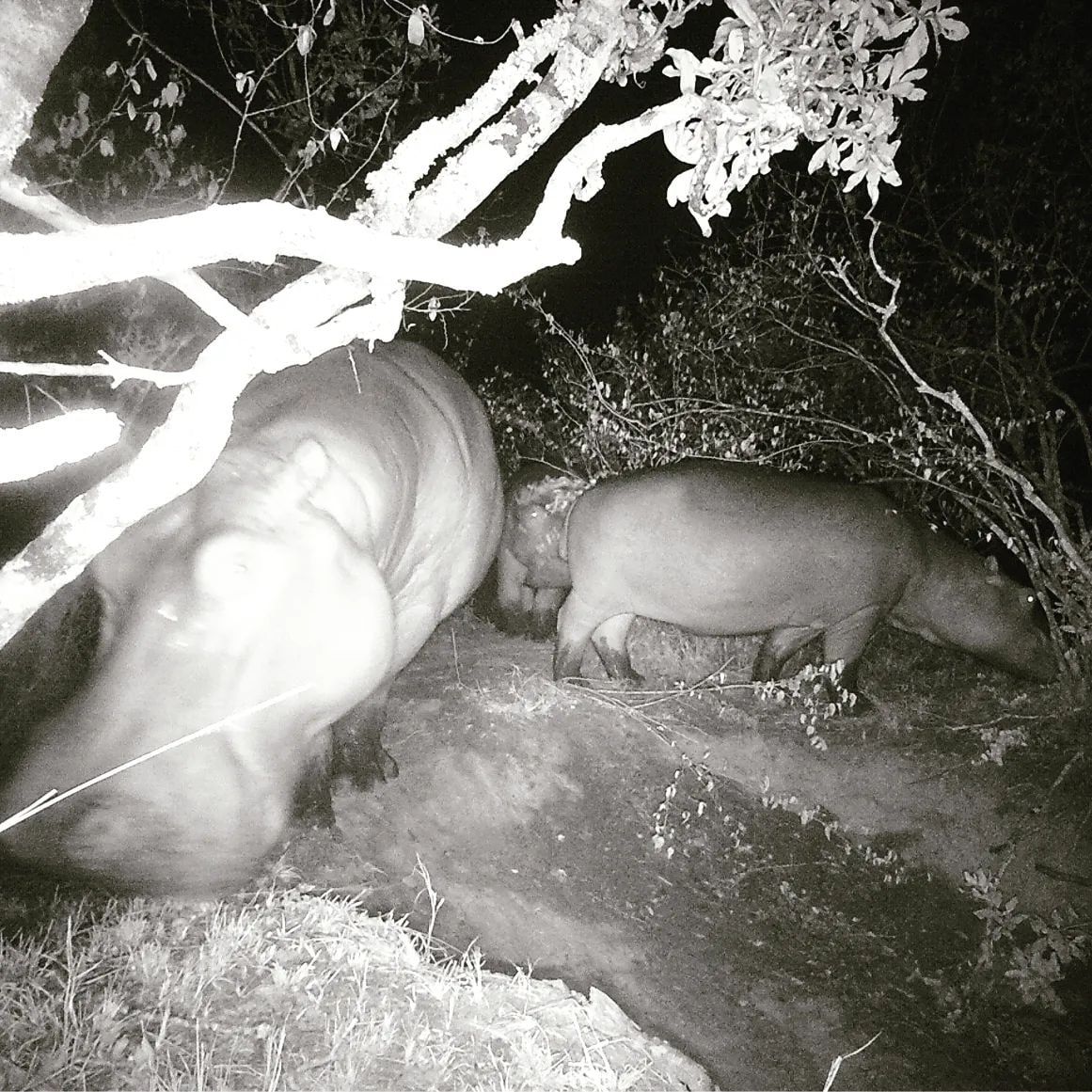
Almost ten years later the first tents went up, on a stretch of the Talek that had been grazed bare for a decade. The families chose it for one reason: the only salt lick in the area.

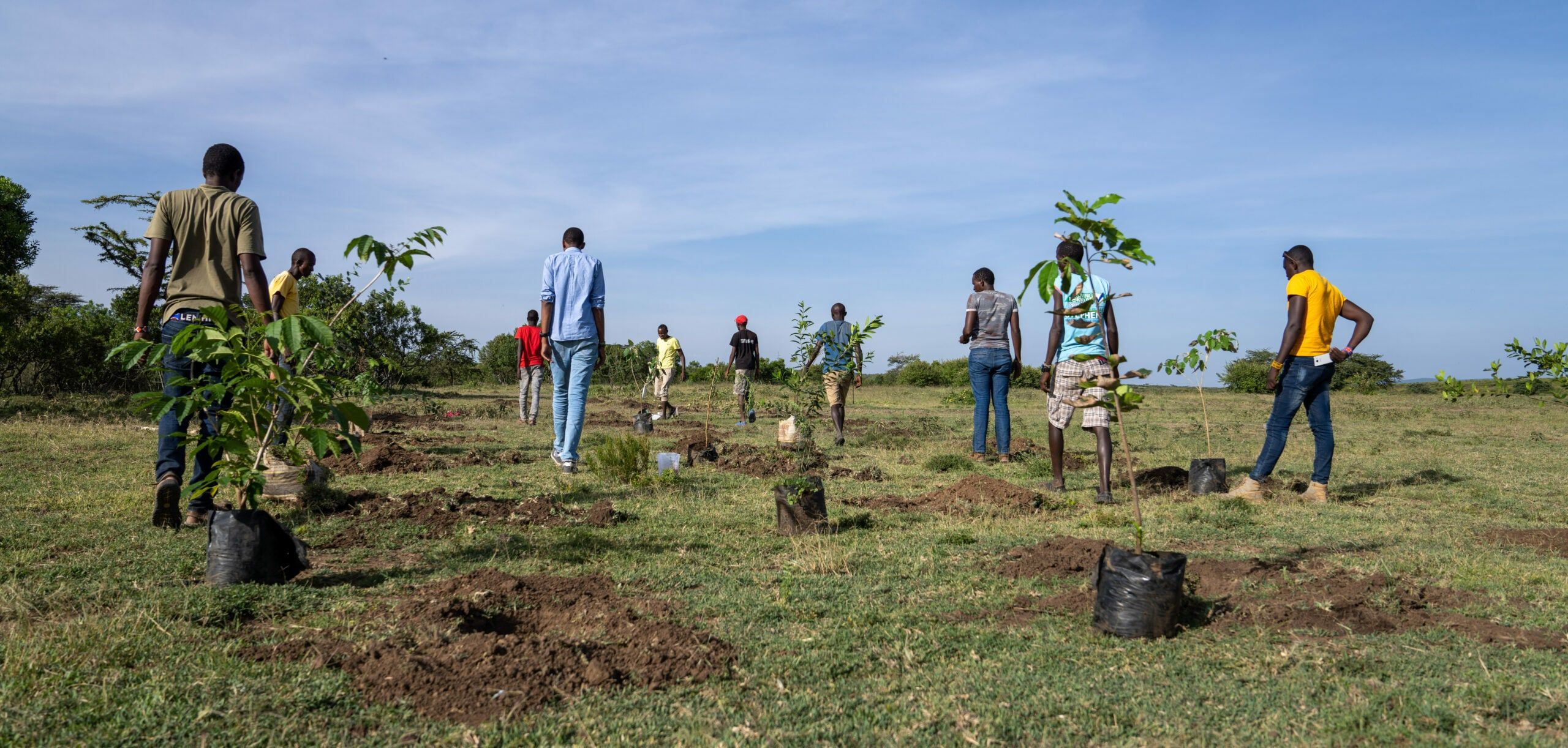
Its minerals and water hole bring in elephants, buffalo, giraffe, eland and zebra, and behind them come the lions, leopards, hyenas and jackals. Since then hundreds of seedlings have gone into the ground. With the neighbouring landowners, the camp keeps a wildlife corridor open between the Reserve and the Naboisho and Nashulai conservancies.

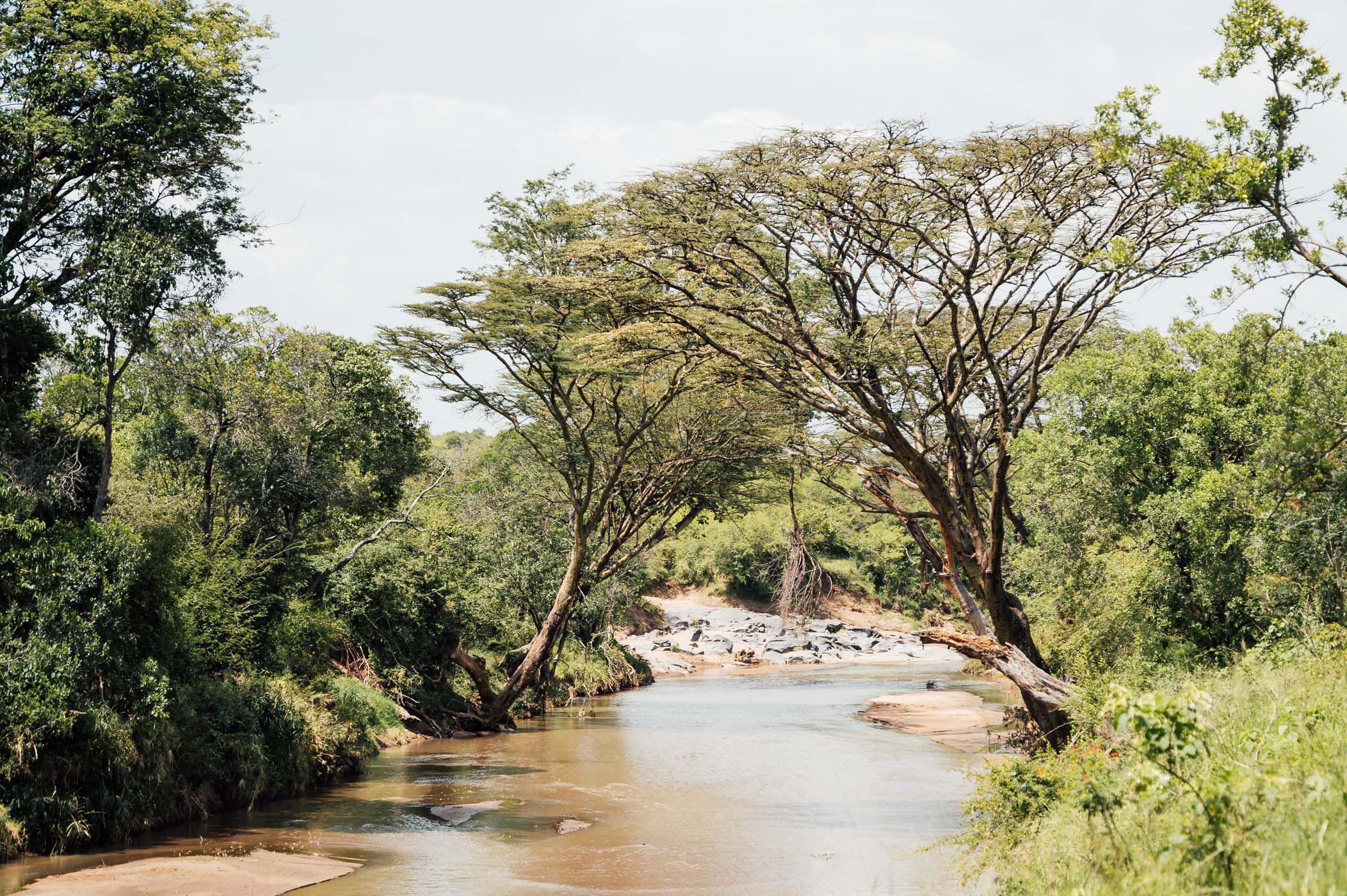
The Talek River curving between acacia trees and green banks
The Talek, one of the five rivers that feed the Mara. The herds follow it during the migration.
Two hippos at the salt lick at night, in a grey trail-camera frame
The salt lick after dark, on the camp’s trail camera.
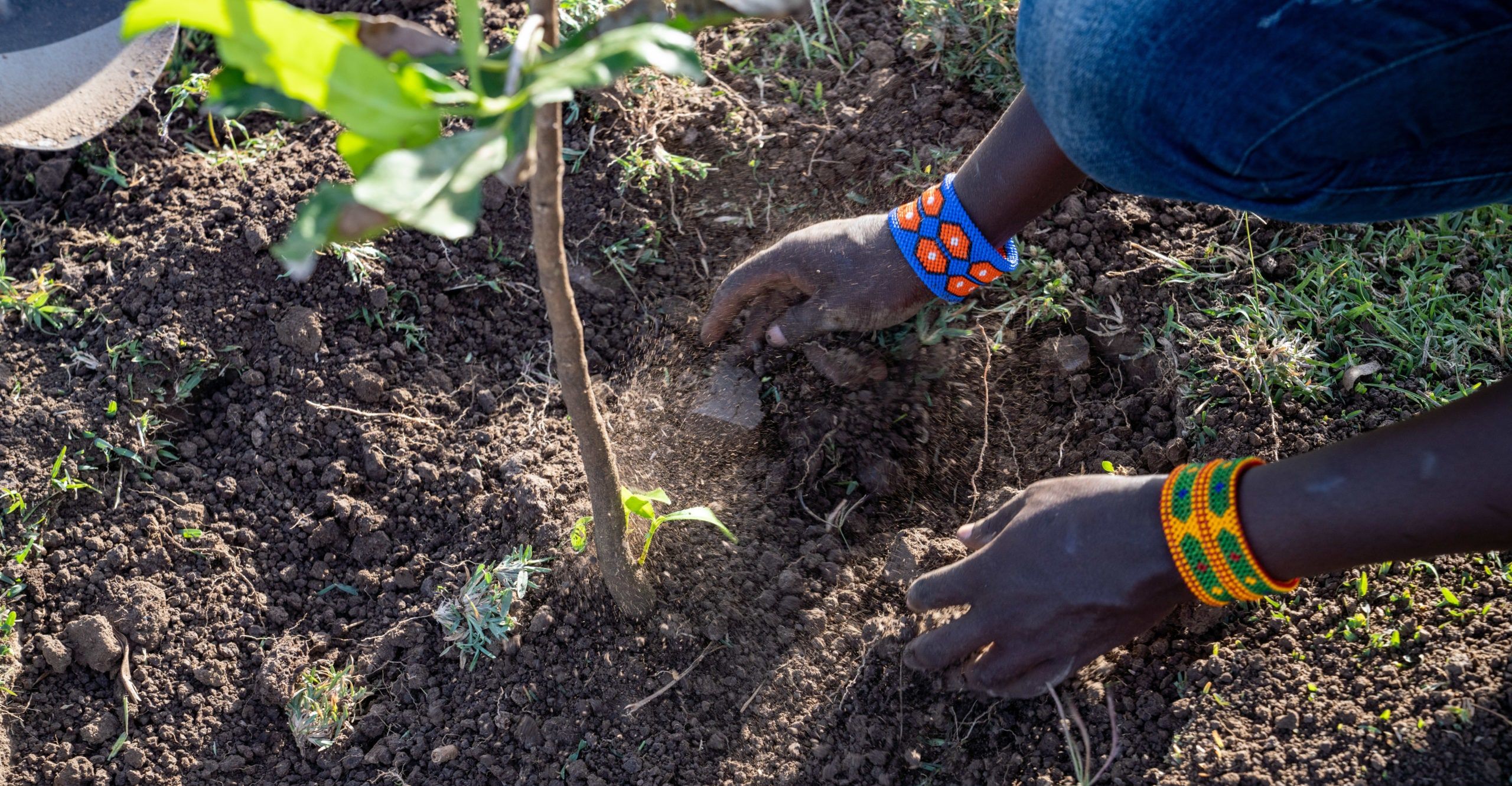
Hands in beaded bracelets pressing soil around a young tree seedling
Wilder Olimba: every guest can plant a tree, and the gardener looks after it.

Chapter three · 26 January 2023

The camp opens

On 26 January 2023 Olimba opened: six guest tents on the riverbank, and no more. The camp is still that size today.

Chapter four · Today

Everyone here grew up on this land.

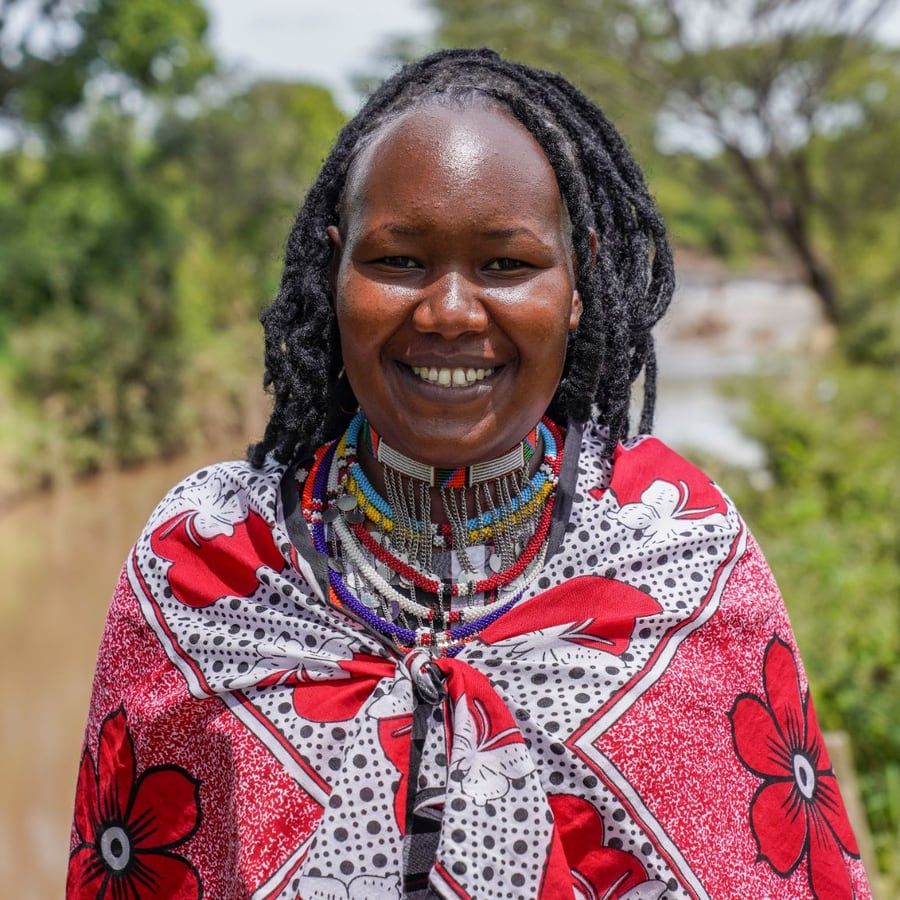
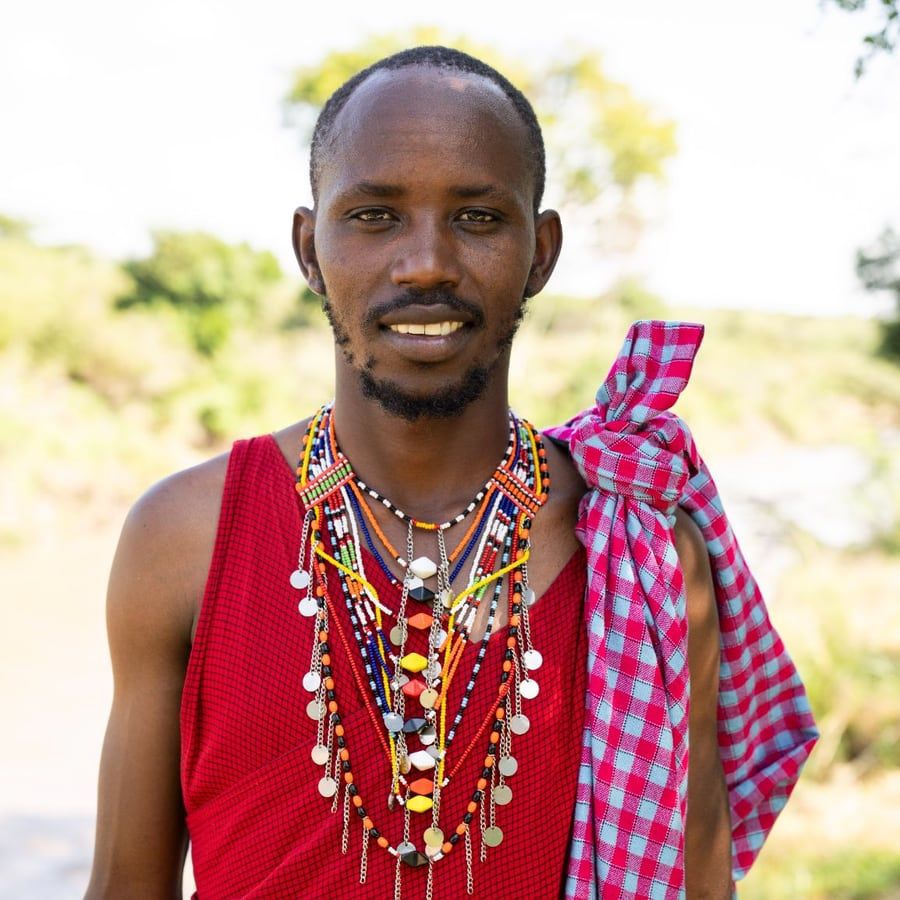
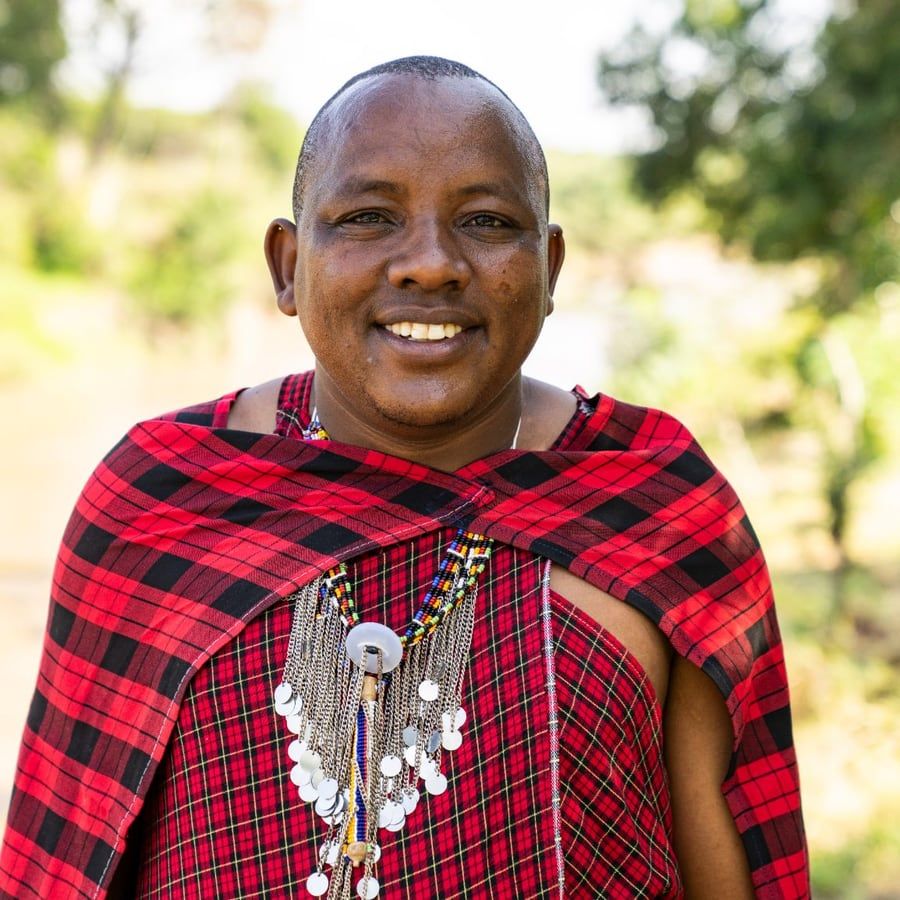
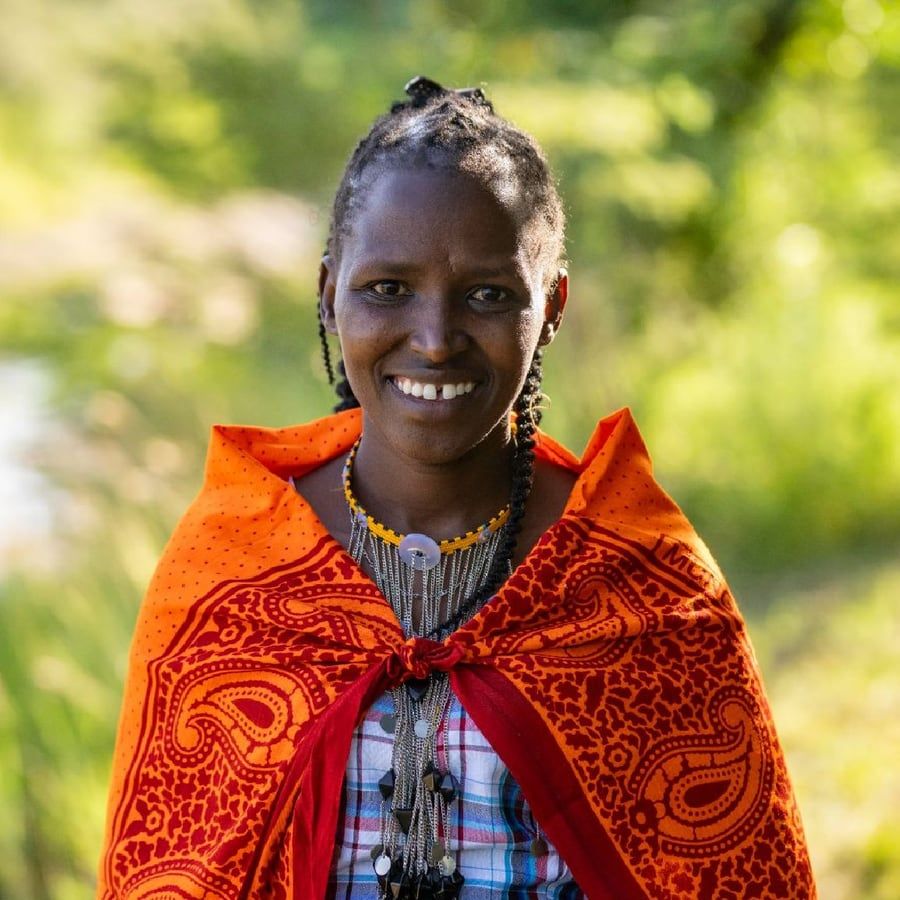
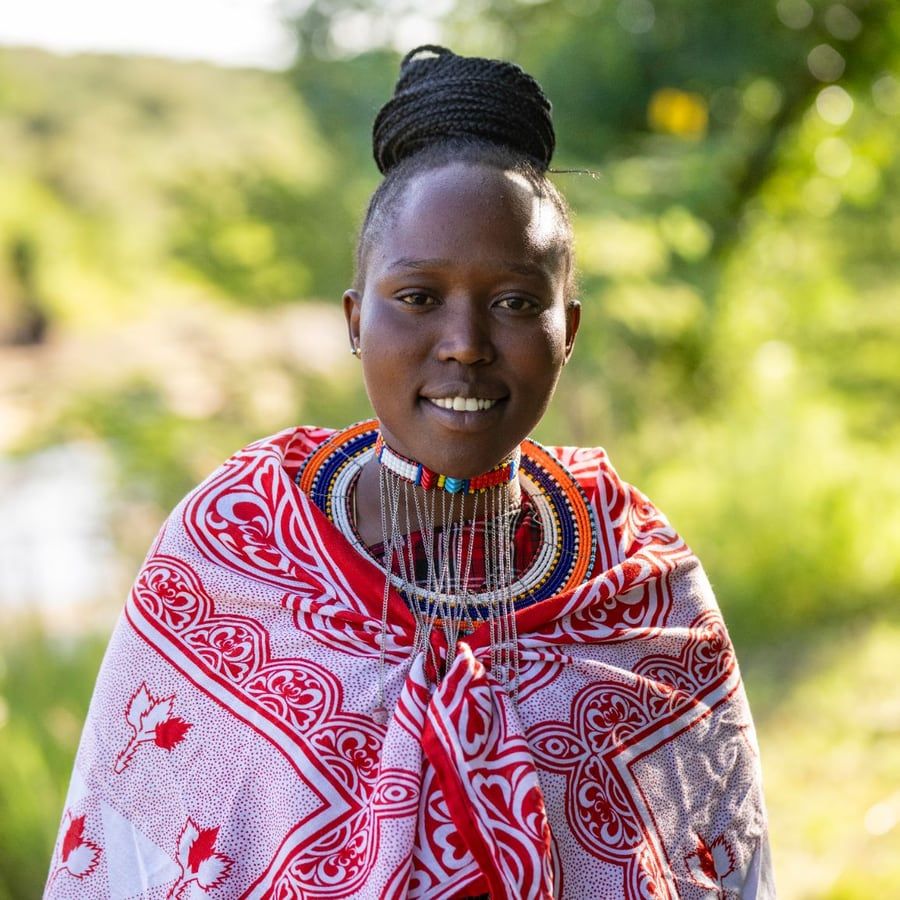
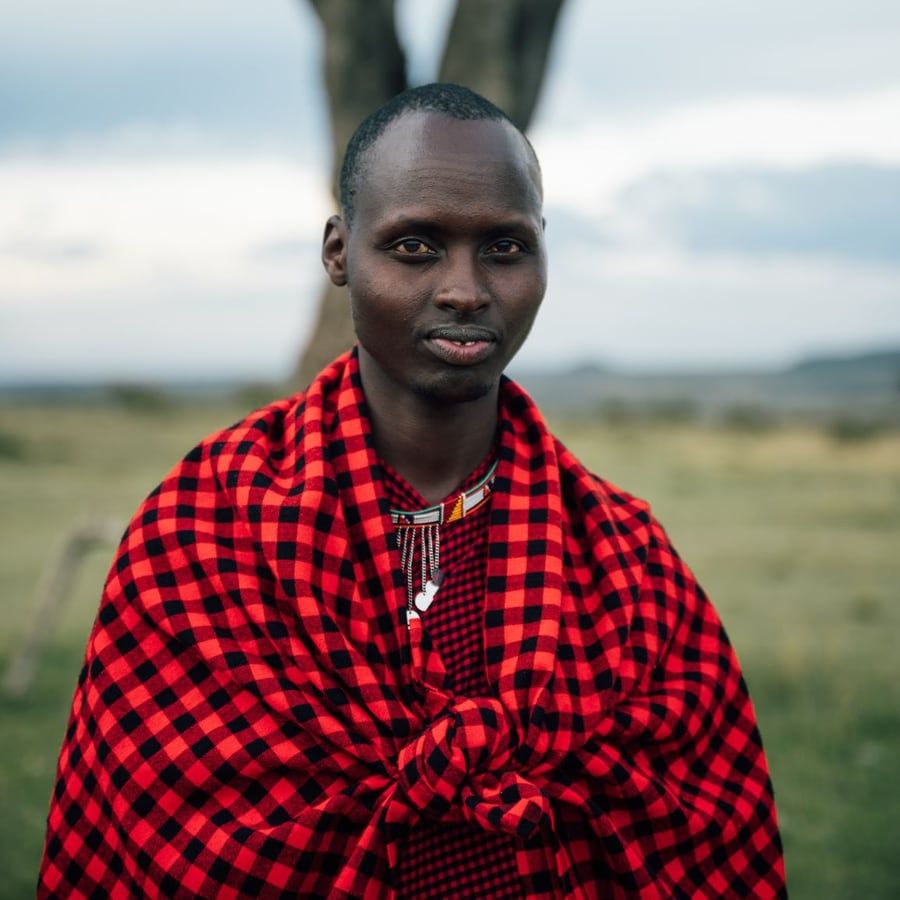
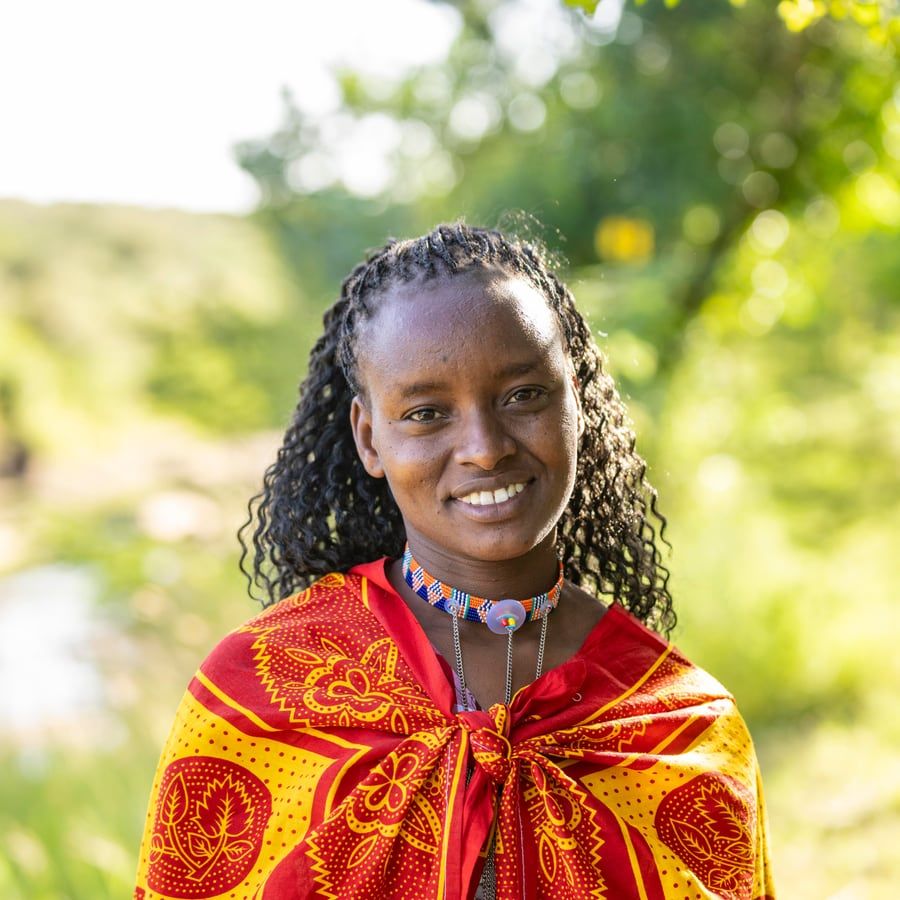
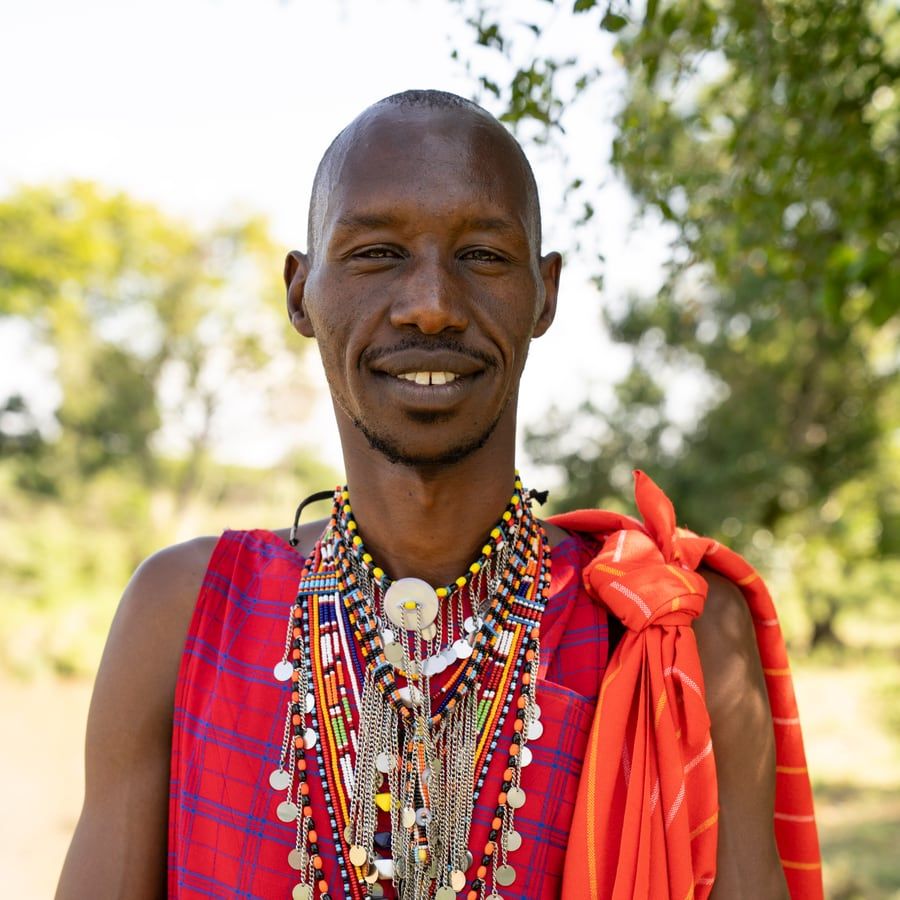
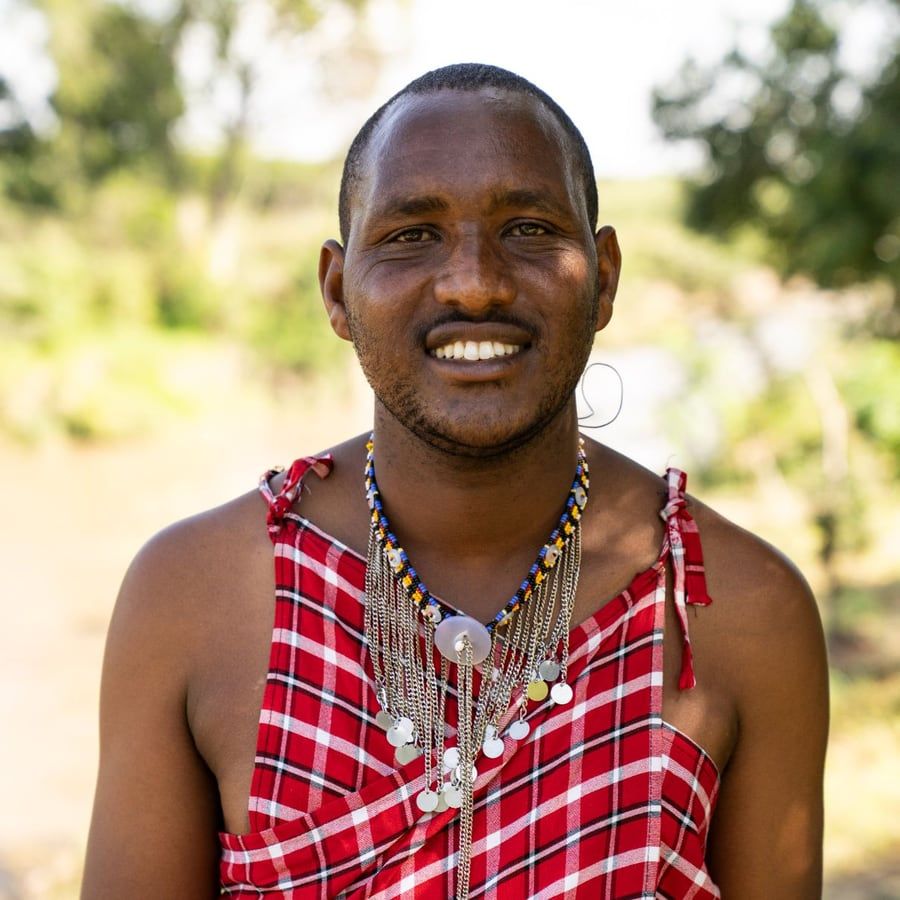
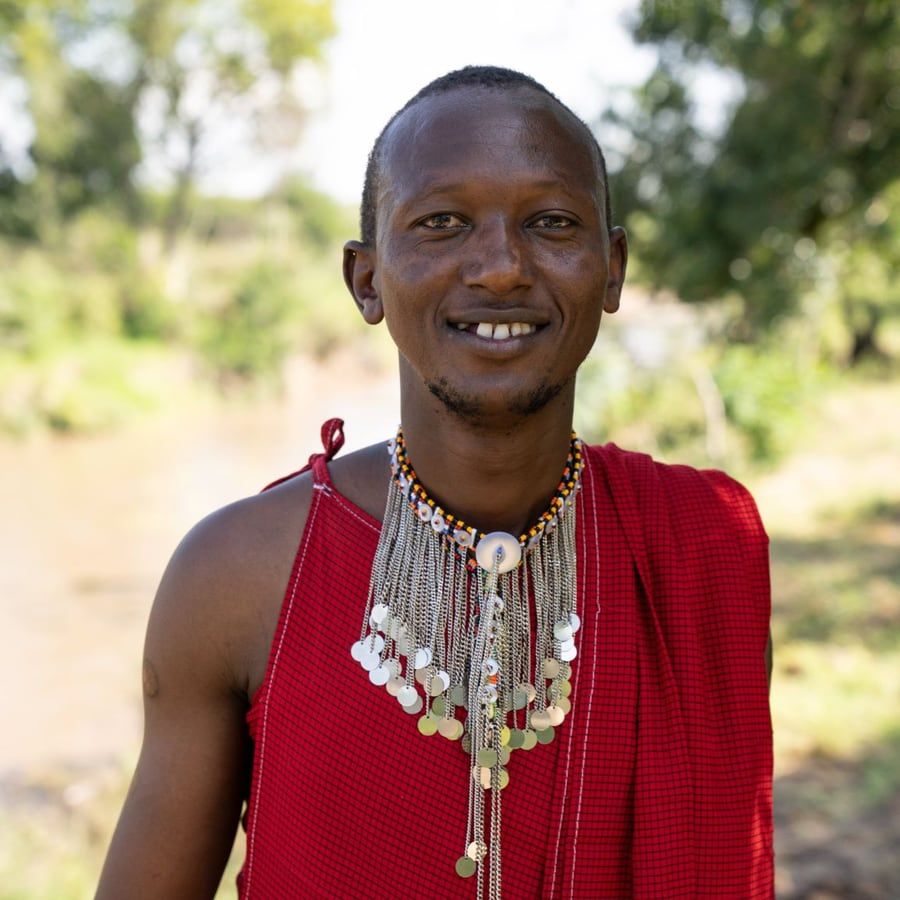
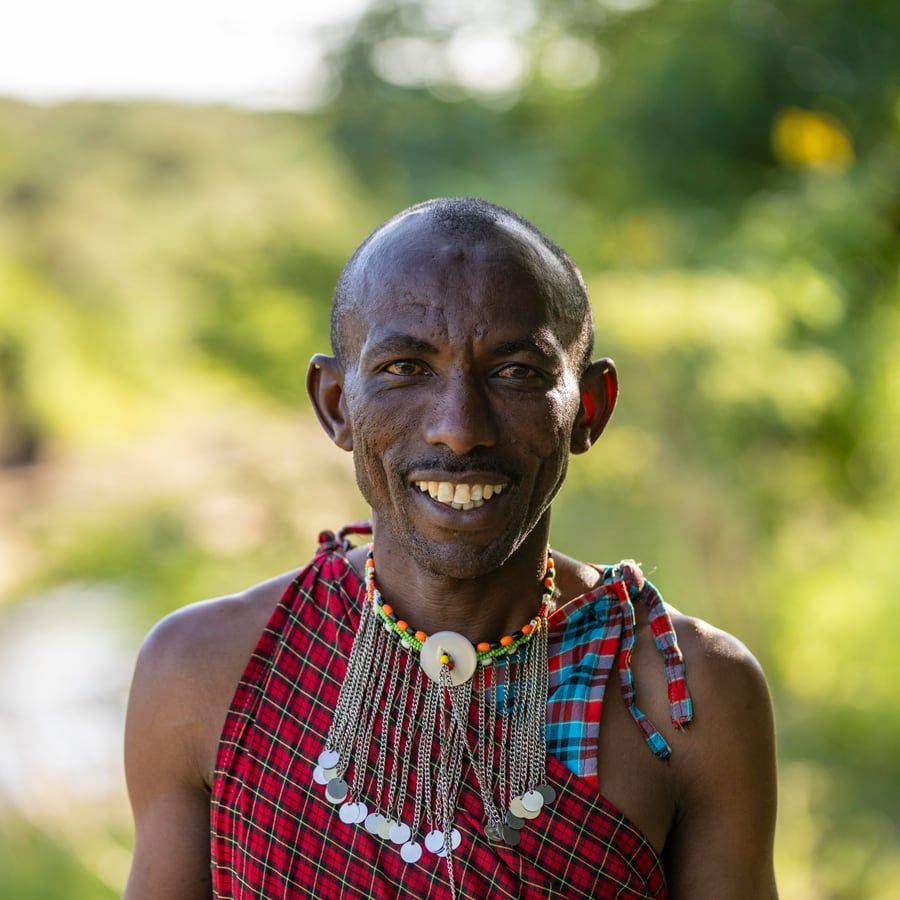
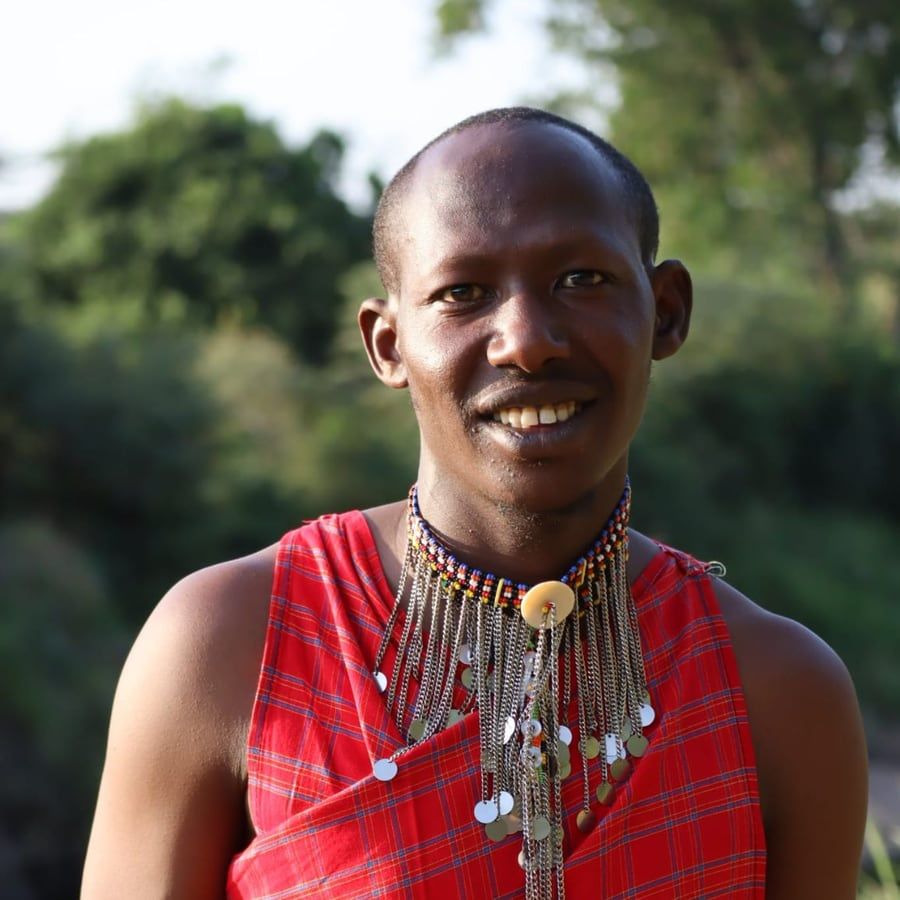
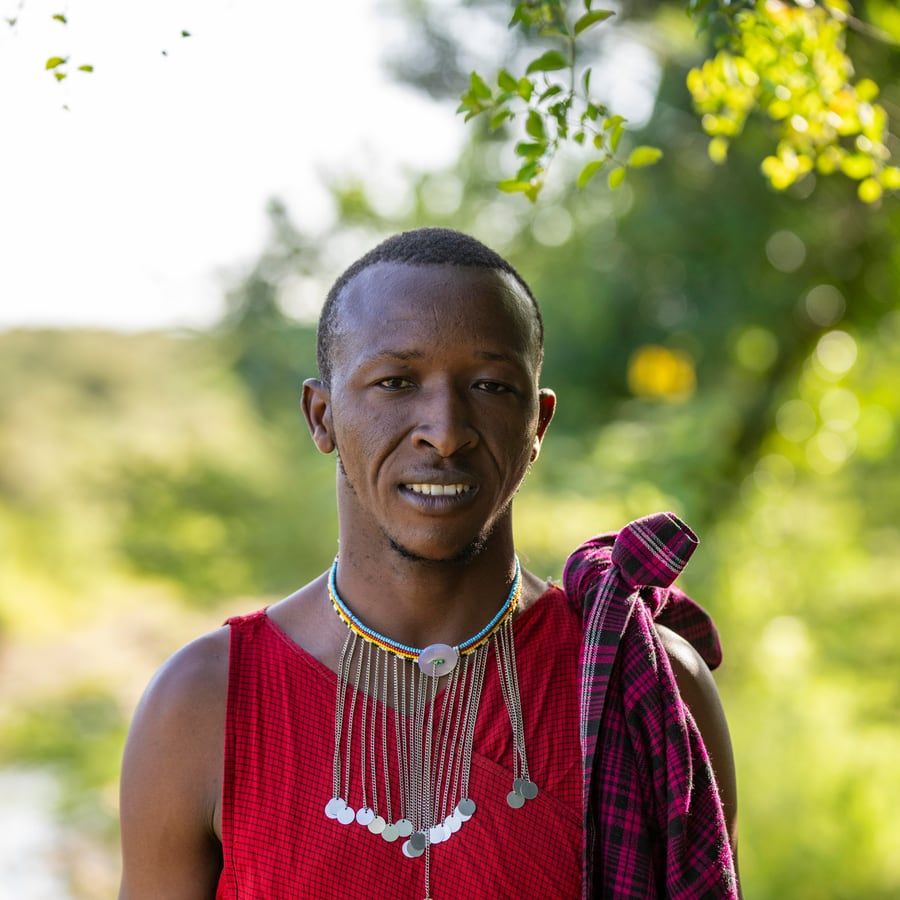
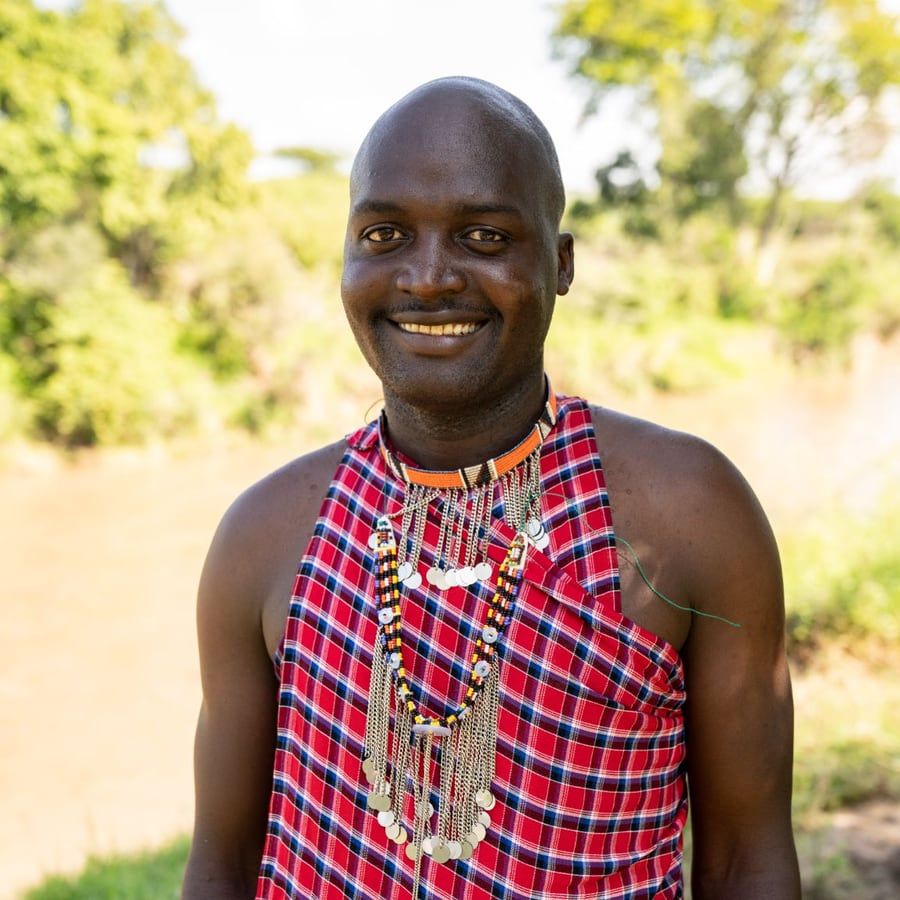
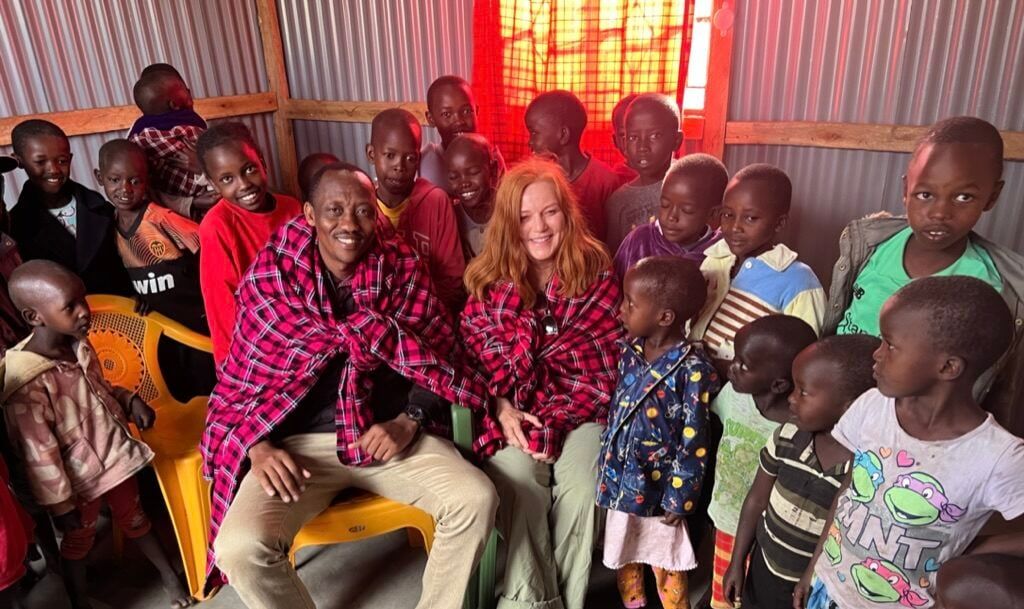
Every member of staff is Maasai from the local community, born and raised on these plains. They learned to live alongside lions and elephants long before anyone asked them to guide.

Some went on to university; some could only finish primary school. What they share is a determination to build a future in tourism without leaving the land they call home.

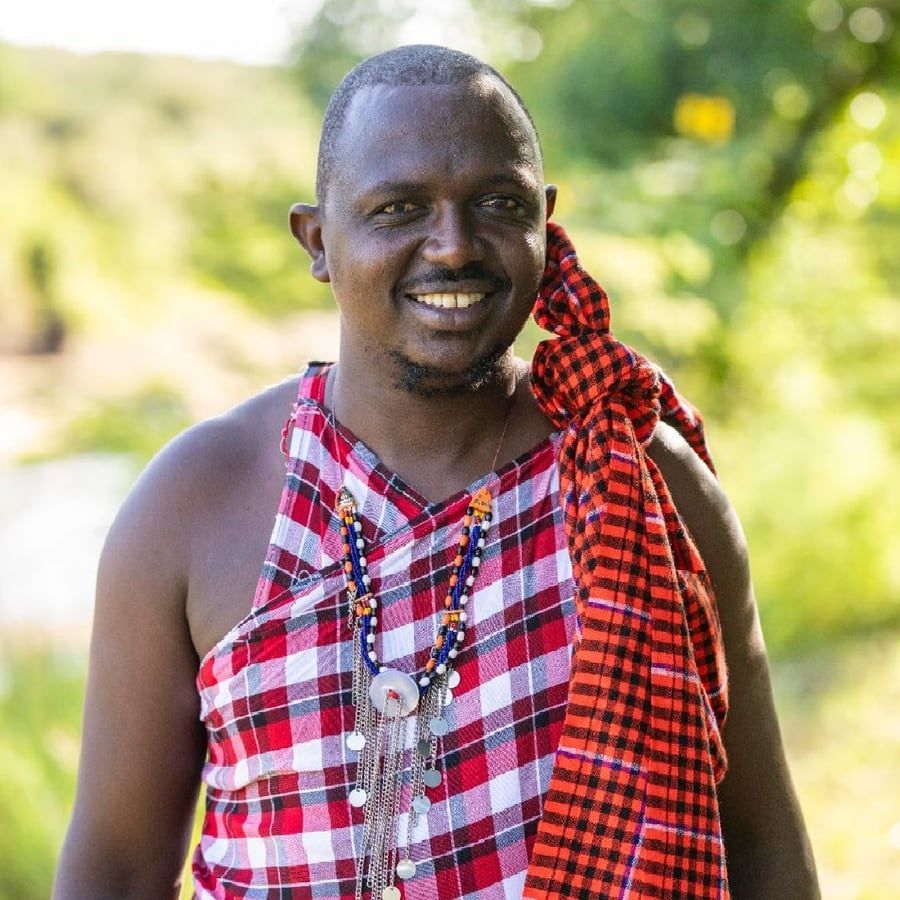
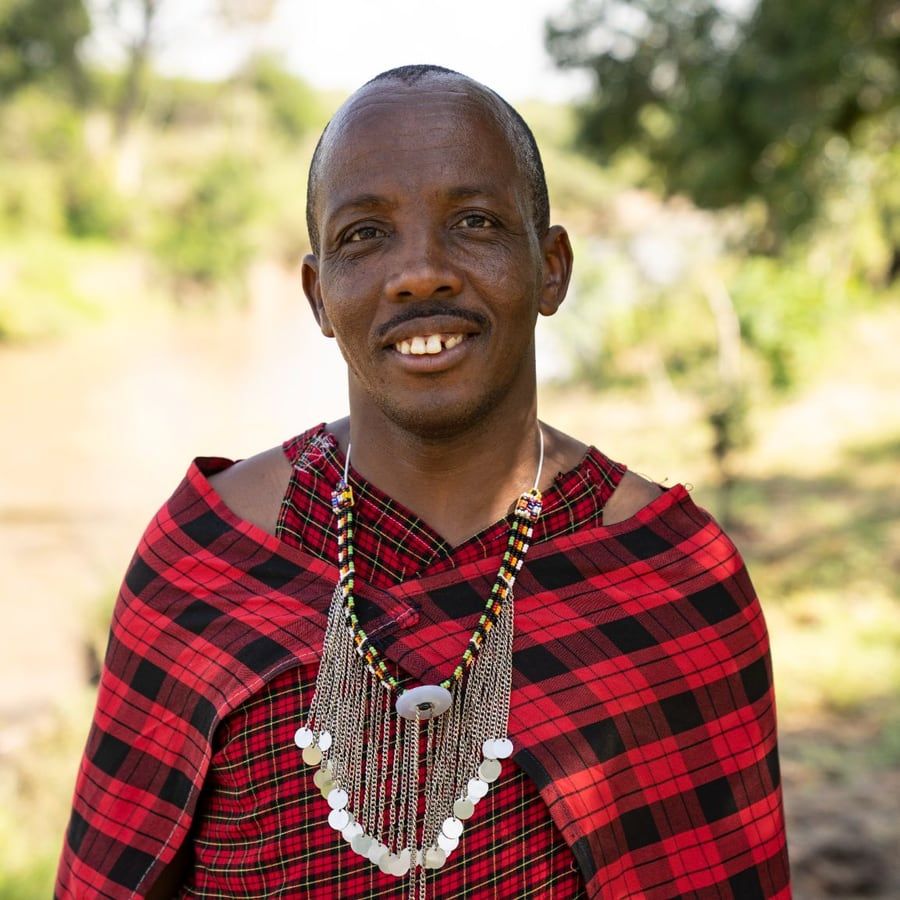
Guests write about two names again and again: Felix, who runs the camp, and Dickson, who leads the guides.

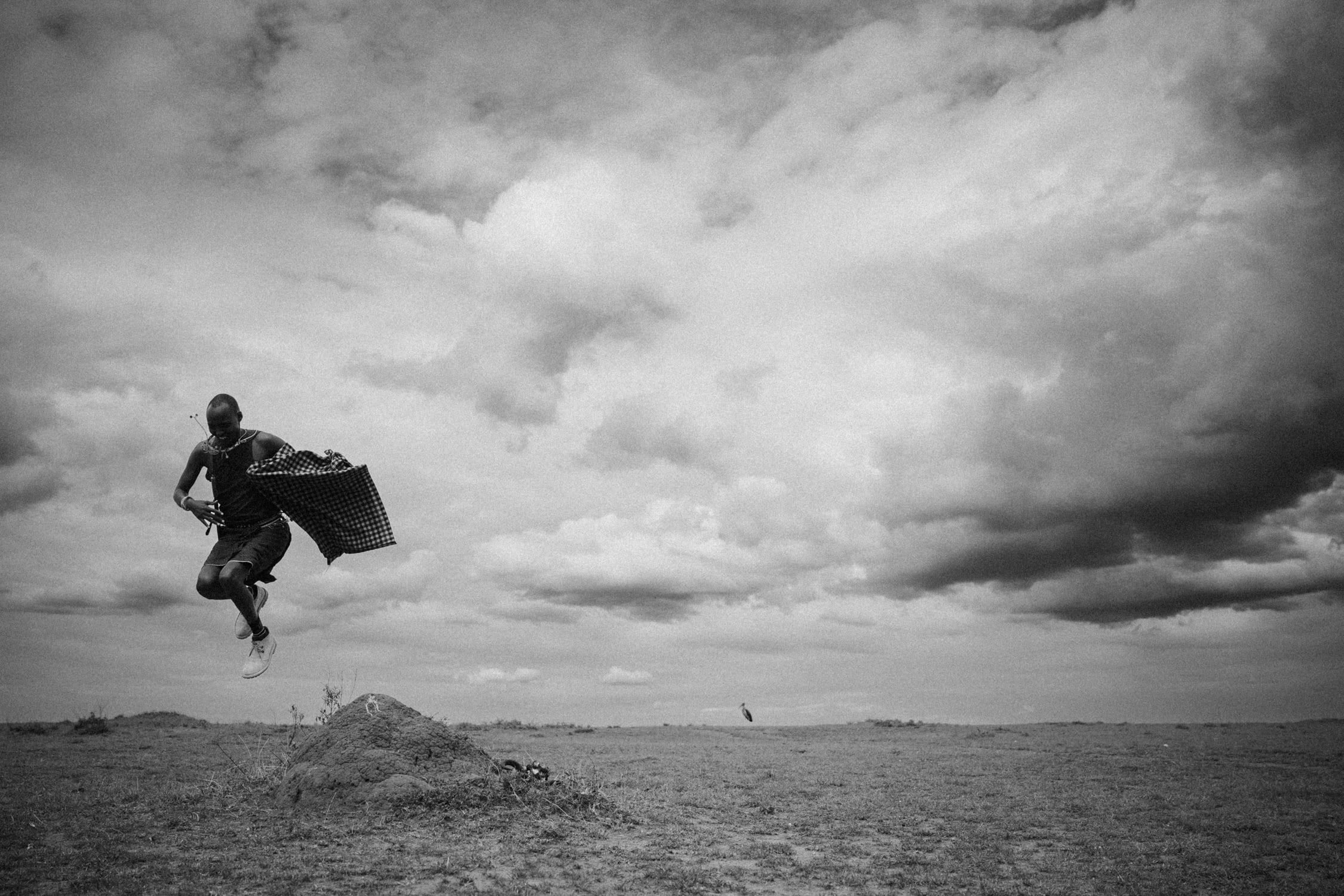
A Maasai warrior mid-leap on the open plain under heavy clouds, in black and white

Olimba

means strength and courage.

Chapter five · Beyond the safari

The camp is only half the story.

After years of grassroots work in the Mara, co-owner Amos Kipeen and Barb Mackraz founded the Oliveseed Kenya Trust in 2021. It is the camp’s community partner: education, women’s empowerment and conservation, run by and for the people who live here.

Read the blog →

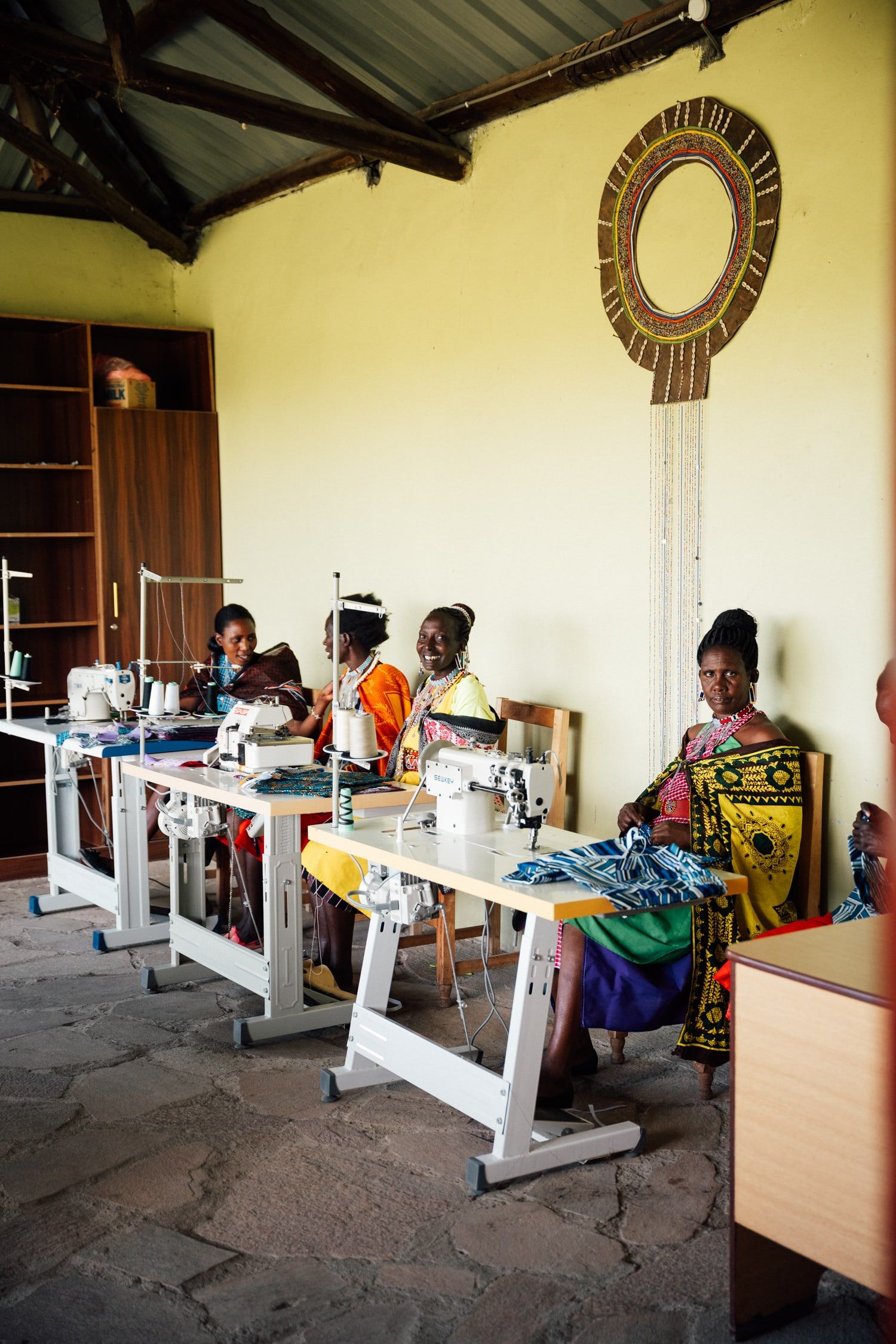
The Trust also runs Learning Labs in local primary schools, a scholarship programme that pays secondary-school fees, and a sanitary-pad sewing project that gives women an income and keeps girls in school.

2024 – 2025

A film, and a name on the global stage

In 2024 the camp hosted New York photographer Lougè Delcy while National Geographic filmed Black Voyage, his journey into Maasai culture. The team ran the logistics on the ground and opened doors in the community.

In 2025 Olimba received Best Travel Documentary of the Year at the Kenya Tourism Awards for the film, and was named Best Cultural Retreat among the Top 100 Global Hospitality & Luxury Hotels in Africa.

In our guests’ words

4.9 out of 5 on Tripadvisor, from 29 reviews Read the reviews ↗
  • Stop researching camps and book Olimba.Tripadvisor review headline
  • It’s not just a camp, it’s a destination!Tripadvisor review headline
  • Unforgettable experience.Tripadvisor review headline

The next chapter

Join the Olimba family.

Pick your dates and book direct with the camp: no agents, no shared game drives.

Registered and certified. Olimba is registered with Kenya’s tourism and environmental authorities, and certified for sustainable tourism by the World Sustainability Foundation.

Logos: Friend of the Sea, World Sustainability Foundation Certified Sustainable Tourism, Tourism Regulatory Authority, NEMA
WhatsApp Plan your safari